



Hey there! As a supplier of NBR O - rings, I've seen my fair share of O - ring failures. It can be a real headache for both us suppliers and our customers. But don't worry, I'm here to share some tips on how to prevent the failure of NBR O - rings.
Understanding NBR O - Rings
First off, let's talk a bit about what NBR O - rings are. NBR stands for Nitrile Butadiene Rubber. It's a synthetic rubber that's widely used in O - ring applications because of its excellent resistance to oil, fuel, and other petroleum - based fluids. You can check out more about Nitrile Butadiene Rubber O Rings on our website.
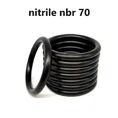
NBR O - rings come in different grades, with Nitrile Nbr 70 being a very popular one. Nitrile Nbr 70 offers a good balance of properties like hardness, flexibility, and chemical resistance. Another common term you might hear is Buna Nitrile O Rings, which is basically another name for NBR O - rings.
Common Causes of NBR O - Ring Failure
Now, let's dig into the common reasons why NBR O - rings fail.
Chemical Compatibility Issues
One of the biggest culprits is chemical incompatibility. NBR O - rings are great with oil and fuel, but they don't play well with some chemicals. For example, they can be damaged by strong acids, ozone, and some solvents. If your O - ring is in contact with a fluid that it's not compatible with, it can swell, shrink, or become brittle over time. So, before you choose an NBR O - ring for your application, make sure to check the chemical compatibility chart. You can also reach out to us, and we'll help you pick the right one.
Temperature Extremes
Temperature can also take a toll on NBR O - rings. NBR has a limited temperature range. If the temperature gets too high, the rubber can start to break down, losing its elasticity and sealing properties. On the other hand, if it's too cold, the O - ring can become hard and crack. You need to know the operating temperature of your system and choose an NBR O - ring that can handle it. Some special formulations of NBR can withstand a wider temperature range, so we can recommend those if needed.
Improper Installation
Installation is a crucial step, and if it's not done right, it can lead to failure. If the O - ring is stretched too much during installation, it can get damaged. Also, if there are any sharp edges in the groove where the O - ring is installed, they can cut into the rubber. Make sure to use the right tools for installation and follow the proper procedures. Lubrication can also help during installation, but make sure to use a lubricant that's compatible with NBR.
Wear and Tear
Over time, normal wear and tear can cause an NBR O - ring to fail. Continuous movement, pressure, and friction can gradually degrade the rubber. If your O - ring is in a high - stress application, it might need to be replaced more frequently. Regular inspection can help you catch signs of wear early and replace the O - ring before it fails completely.
Preventive Measures
So, how can we prevent these failures? Here are some practical steps.
Select the Right O - Ring
As I mentioned earlier, choosing the right NBR O - ring is key. Consider the chemical environment, temperature range, and pressure of your application. If you're not sure, don't hesitate to ask us. We have a team of experts who can help you select the most suitable O - ring for your needs.
Proper Storage
How you store your NBR O - rings can also affect their performance. Keep them in a cool, dry place away from direct sunlight and sources of ozone. Ozone can cause the rubber to crack, so it's important to store them in a sealed container if possible. Also, make sure to label the containers with the type and size of the O - rings so you can easily find what you need.
Follow Installation Guidelines
When it comes to installation, follow the manufacturer's guidelines carefully. Use the right tools and techniques. If you're not experienced in installing O - rings, we can provide you with some training or installation guides. Remember, a proper installation can significantly extend the life of your O - ring.
Regular Maintenance and Inspection
Set up a regular maintenance schedule for your O - rings. Inspect them for signs of wear, damage, or chemical degradation. Look for things like cracks, swelling, or changes in color. If you notice any issues, replace the O - ring immediately. This can prevent more serious problems down the line.
Conclusion
Preventing the failure of NBR O - rings is all about being proactive. By understanding the common causes of failure and taking the right preventive measures, you can ensure that your O - rings perform well and last longer.


If you're in the market for high - quality NBR O - rings or need more advice on preventing O - ring failure, we're here to help. Just reach out to us, and we'll start a conversation about your specific needs. We're committed to providing you with the best products and support to keep your systems running smoothly.
References
- "Sealing Technology Handbook" by John H. Bickford
- Various industry reports on rubber materials and O - ring applications