


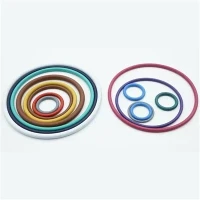

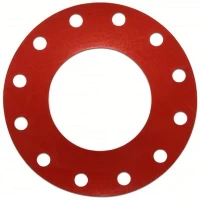

Additives play a crucial role in the production of rubber components, enhancing their performance, durability, and functionality. As a leading supplier of rubber components, we understand the significance of these additives and their impact on the final product. In this blog post, we will explore the various additives used in rubber components and their benefits.
Reinforcing Agents
Reinforcing agents are one of the most important types of additives used in rubber components. They improve the mechanical properties of rubber, such as strength, stiffness, and abrasion resistance. Carbon black is the most commonly used reinforcing agent in rubber production. It is a fine powder made from the incomplete combustion of hydrocarbons. Carbon black particles have a large surface area, which allows them to interact with the rubber molecules and form a strong network structure. This network structure enhances the mechanical properties of the rubber, making it more resistant to wear and tear.
Silica is another popular reinforcing agent used in rubber components. It is a white powder made from silicon dioxide. Silica particles have a high surface area and a unique surface chemistry, which allows them to interact with the rubber molecules and form a strong bond. Silica-reinforced rubber has excellent wet grip and low rolling resistance, making it ideal for use in tires.
Plasticizers
Plasticizers are additives that are used to increase the flexibility and workability of rubber. They reduce the glass transition temperature of the rubber, making it more pliable at low temperatures. Plasticizers also improve the processability of rubber, making it easier to mold and shape.
Phthalates are the most commonly used plasticizers in rubber production. They are esters of phthalic acid and have a wide range of applications in the rubber industry. Phthalates are known for their excellent plasticizing properties and their ability to improve the flexibility and durability of rubber. However, in recent years, there has been growing concern about the potential health and environmental impacts of phthalates. As a result, many manufacturers are now looking for alternative plasticizers that are safer and more sustainable.
Antioxidants
Antioxidants are additives that are used to prevent the oxidation of rubber. Oxidation is a chemical reaction that occurs when rubber is exposed to oxygen, heat, or light. It can cause the rubber to become brittle, crack, and lose its elasticity. Antioxidants work by reacting with the free radicals that are produced during the oxidation process, preventing them from reacting with the rubber molecules.
Phenolic antioxidants are the most commonly used antioxidants in rubber production. They are derivatives of phenol and have a wide range of applications in the rubber industry. Phenolic antioxidants are known for their excellent antioxidant properties and their ability to protect rubber from oxidation. However, like phthalates, there has been growing concern about the potential health and environmental impacts of phenolic antioxidants. As a result, many manufacturers are now looking for alternative antioxidants that are safer and more sustainable.

Vulcanizing Agents
Vulcanizing agents are additives that are used to crosslink the rubber molecules, forming a three-dimensional network structure. Crosslinking improves the mechanical properties of rubber, such as strength, stiffness, and elasticity. It also makes the rubber more resistant to heat, chemicals, and abrasion.
Sulfur is the most commonly used vulcanizing agent in rubber production. It reacts with the rubber molecules to form crosslinks between them. Sulfur vulcanization is a well-established process that has been used in the rubber industry for over a century. However, sulfur vulcanization has some limitations, such as the formation of sulfur dioxide gas, which can be harmful to the environment and human health.
Peroxides are another type of vulcanizing agent that is used in rubber production. They are organic compounds that contain a peroxide group (-O-O-). Peroxides react with the rubber molecules to form crosslinks between them. Peroxide vulcanization has some advantages over sulfur vulcanization, such as the ability to produce rubber with better heat resistance and lower compression set. However, peroxide vulcanization is more expensive and requires more specialized equipment.
Colorants
Colorants are additives that are used to give rubber components their desired color. They can be either pigments or dyes. Pigments are insoluble in rubber and are dispersed throughout the rubber matrix. Dyes are soluble in rubber and are absorbed by the rubber molecules.
Carbon black is the most commonly used colorant in rubber production. It is a black pigment that is used to give rubber a black color. Carbon black also has some reinforcing properties, which can improve the mechanical properties of the rubber.
Other pigments and dyes that are used in rubber production include titanium dioxide, iron oxide, and phthalocyanine blue. These colorants can be used to produce rubber components in a wide range of colors, from white to black to bright colors.
Conclusion
In conclusion, additives play a crucial role in the production of rubber components. They enhance the performance, durability, and functionality of rubber, making it suitable for a wide range of applications. As a leading supplier of rubber components, we have extensive experience in using additives to produce high-quality rubber products. We understand the importance of choosing the right additives for each application and ensuring that they are used in the correct proportions.
If you are interested in learning more about the additives used in rubber components or if you have any questions about our products, please do not hesitate to contact us. We would be happy to discuss your requirements and provide you with a customized solution.
References
- "Rubber Technology: Compounding, Mixing, and Vulcanization" by Maurice Morton
- "Handbook of Rubber Technology" by A. Y. Coran
- "The Science and Technology of Rubber" by James E. Mark, Burak Erman, and Charles L. Fetters