



What are the applications of oil seals in differential systems?
As a seasoned supplier of oil seals, I've witnessed firsthand the crucial role these components play in various industrial and automotive applications. One area where oil seals are particularly vital is in differential systems. In this blog post, I'll delve into the specific applications of oil seals in differential systems, highlighting their importance and the benefits they bring.
Understanding Differential Systems
Before we explore the applications of oil seals, let's first understand what a differential system is. In automotive and industrial machinery, a differential is a gear train that allows the wheels or shafts on an axle to rotate at different speeds. This is essential for smooth turning and maneuvering, as the outer wheel needs to cover a greater distance than the inner wheel during a turn.
Differential systems are commonly found in cars, trucks, buses, and other vehicles, as well as in industrial equipment such as forklifts, cranes, and agricultural machinery. They consist of several components, including gears, bearings, and shafts, all of which need to be properly lubricated and protected from contaminants.
The Role of Oil Seals in Differential Systems
Oil seals are used in differential systems to perform several critical functions:
- Sealing Lubricants: The primary function of oil seals is to prevent the leakage of lubricants from the differential system. Lubricants, such as gear oil, are essential for reducing friction and wear between the moving parts of the differential. Oil seals ensure that the lubricant stays inside the system, maintaining proper lubrication and extending the lifespan of the components.
- Excluding Contaminants: In addition to sealing lubricants, oil seals also prevent the entry of contaminants, such as dirt, dust, water, and debris, into the differential system. Contaminants can cause premature wear and damage to the gears, bearings, and other components, leading to costly repairs and downtime. Oil seals act as a barrier, keeping the differential system clean and protected.
- Maintaining Pressure: Oil seals help to maintain the proper pressure within the differential system. This is important for ensuring the efficient operation of the gears and bearings. By preventing the leakage of lubricants and the entry of contaminants, oil seals help to maintain a stable pressure environment, which is essential for optimal performance.
- Reducing Noise and Vibration: Oil seals can also help to reduce noise and vibration in the differential system. By providing a tight seal, they prevent the movement of lubricants and contaminants, which can cause noise and vibration. This results in a smoother and quieter operation of the differential system, improving the overall driving experience.
Applications of Oil Seals in Differential Systems
Oil seals are used in various parts of the differential system, including:
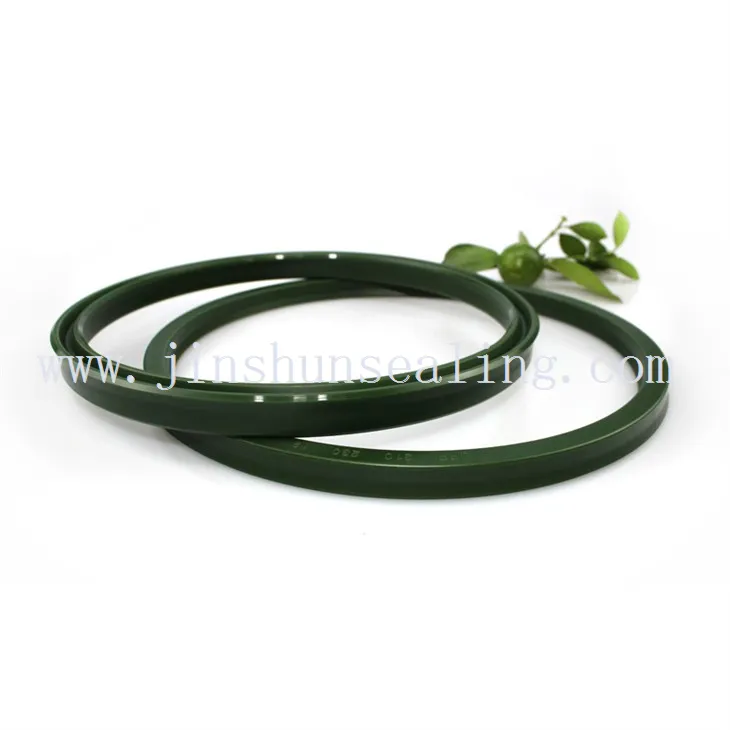

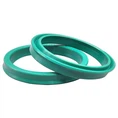
- Axle Shaft Seals: Axle shaft seals are located at the ends of the axle shafts, where they connect to the differential. These seals prevent the leakage of lubricants from the differential and the entry of contaminants into the axle shafts. Axle shaft seals are typically made of rubber or other elastomeric materials, which provide a flexible and durable seal.
- Pinion Shaft Seals: Pinion shaft seals are located at the end of the pinion shaft, which connects the differential to the driveshaft. These seals prevent the leakage of lubricants from the differential and the entry of contaminants into the pinion shaft. Pinion shaft seals are similar to axle shaft seals, but they are designed to withstand higher pressures and temperatures.
- Differential Housing Seals: Differential housing seals are located around the perimeter of the differential housing, where it meets the axle housing. These seals prevent the leakage of lubricants from the differential and the entry of contaminants into the housing. Differential housing seals are typically made of rubber or other elastomeric materials, which provide a flexible and durable seal.
- Bearing Seals: Bearing seals are used to protect the bearings in the differential system. These seals prevent the leakage of lubricants from the bearings and the entry of contaminants into the bearing housing. Bearing seals are typically made of rubber or other elastomeric materials, which provide a flexible and durable seal.
Types of Oil Seals Used in Differential Systems
There are several types of oil seals that are commonly used in differential systems, including:
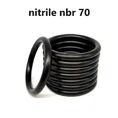
- Nitrile Oil Seal: Nitrile oil seals are made of nitrile rubber, which is a synthetic rubber that offers excellent resistance to oil, fuel, and other chemicals. Nitrile oil seals are commonly used in automotive and industrial applications, including differential systems. They are available in a variety of sizes and shapes to fit different applications. Nitrile Oil Seal
- Viton Oil Seal: Viton oil seals are made of Viton rubber, which is a fluorocarbon rubber that offers excellent resistance to high temperatures, chemicals, and fuels. Viton oil seals are commonly used in high-performance applications, such as racing cars and industrial machinery. They are more expensive than nitrile oil seals, but they offer superior performance and durability.
- Silicone Oil Seal: Silicone oil seals are made of silicone rubber, which is a synthetic rubber that offers excellent resistance to high temperatures, UV radiation, and ozone. Silicone oil seals are commonly used in applications where high temperatures and environmental exposure are a concern, such as automotive engines and industrial ovens.
- PTFE Oil Seal: PTFE oil seals are made of polytetrafluoroethylene (PTFE), which is a synthetic polymer that offers excellent resistance to high temperatures, chemicals, and friction. PTFE oil seals are commonly used in high-performance applications, such as aerospace and medical equipment. They are more expensive than other types of oil seals, but they offer superior performance and durability.
Benefits of Using High-Quality Oil Seals in Differential Systems
Using high-quality oil seals in differential systems offers several benefits, including:
- Improved Performance: High-quality oil seals provide a better seal, which helps to prevent the leakage of lubricants and the entry of contaminants. This results in improved performance and efficiency of the differential system, reducing friction and wear between the moving parts.
- Extended Lifespan: By preventing the leakage of lubricants and the entry of contaminants, high-quality oil seals help to extend the lifespan of the differential system components. This reduces the need for costly repairs and replacements, saving time and money in the long run.
- Enhanced Reliability: High-quality oil seals are more reliable and durable than low-quality seals. They are less likely to fail or leak, which reduces the risk of downtime and costly repairs. This is especially important in industrial applications, where downtime can result in significant losses.
- Cost Savings: While high-quality oil seals may be more expensive than low-quality seals, they offer significant cost savings in the long run. By reducing the need for repairs and replacements, they help to lower the overall cost of ownership of the differential system.
Conclusion
In conclusion, oil seals play a crucial role in differential systems, providing sealing, contamination exclusion, pressure maintenance, and noise reduction. They are used in various parts of the differential system, including axle shaft seals, pinion shaft seals, differential housing seals, and bearing seals. There are several types of oil seals available, including nitrile, Viton, silicone, and PTFE seals, each offering different levels of performance and durability.
As a supplier of oil seals, I understand the importance of providing high-quality products that meet the specific needs of our customers. Whether you're looking for Nitrile Oil Seal, Oil Seal 20x34x7, or Oil Seal Washer, we have the expertise and experience to help you find the right solution for your differential system.
If you're interested in learning more about our oil seals or have any questions about their applications in differential systems, please don't hesitate to contact us. We're here to help you find the best products for your needs and ensure the optimal performance of your differential system.
References
- Smith, J. (2020). Automotive Differential Systems: Design, Analysis, and Optimization. Springer.
- Jones, A. (2019). Industrial Lubrication Handbook. McGraw-Hill.
- Brown, R. (2018). Sealing Technology Handbook. Elsevier.