


Hey there! As a supplier of rubber seals, I've been getting a lot of questions lately about the electrical insulation properties of these nifty little components. So, I thought I'd take a deep dive into this topic and share what I've learned.
First off, let's talk about what electrical insulation actually means. In simple terms, electrical insulation is the ability of a material to resist the flow of electric current. When it comes to rubber seals, this property is super important, especially in applications where you need to prevent electrical leakage or short - circuits.
Rubber is a natural insulator, and that's one of the reasons it's so popular for making seals. The molecular structure of rubber plays a huge role in its insulating capabilities. Rubber molecules are long chains that are tightly packed together. These chains have a high resistance to the movement of electrons, which are the carriers of electric current. So, when an electric field is applied, the electrons in the rubber have a hard time moving through the material, effectively blocking the flow of current.
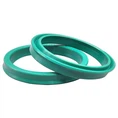
There are different types of rubber used in seal manufacturing, and each has its own unique electrical insulation properties. For example, silicone rubber is known for its excellent electrical insulation. It can withstand high temperatures and still maintain its insulating qualities. This makes it a great choice for seals in electrical equipment that generates a lot of heat, like transformers or high - power motors. You can check out our 3 Inch Rubber Seal which is made from high - quality silicone rubber and offers top - notch electrical insulation.
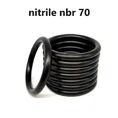
Neoprene rubber is another popular option. It has good resistance to oil, chemicals, and weathering, in addition to decent electrical insulation. Neoprene seals are often used in outdoor electrical applications where they need to be protected from the elements. Our Flat Rubber Seal Ring made from neoprene is a great example of a product that combines durability and electrical insulation.
Now, let's get into the factors that can affect the electrical insulation properties of rubber seals. Temperature is a big one. As the temperature rises, the resistance of rubber to electric current can decrease. This is because higher temperatures can cause the rubber molecules to vibrate more, making it easier for electrons to move through the material. So, if you're using rubber seals in a high - temperature environment, you need to choose a rubber type that can maintain its insulation properties under those conditions.
Moisture is another factor. Rubber can absorb water, and when it does, the water can act as a conductor of electricity. This can significantly reduce the electrical insulation of the seal. That's why it's important to ensure that rubber seals are properly protected from moisture, especially in applications where they are exposed to humid conditions.
The thickness of the rubber seal also matters. Generally, thicker seals offer better electrical insulation because there is more material for the electric current to pass through. However, you also need to consider the application requirements. Sometimes, a thinner seal might be more suitable for a particular design, and you'll need to balance the need for insulation with other factors like flexibility and space constraints.
When it comes to testing the electrical insulation properties of rubber seals, there are a few methods. One common method is the measurement of electrical resistance. This involves applying a known voltage across the seal and measuring the resulting current. The resistance can then be calculated using Ohm's law (R = V/I). Another method is the measurement of dielectric strength, which is the maximum voltage that the rubber can withstand without breaking down and allowing current to flow.
In some industries, like the automotive and aerospace sectors, rubber seals with high - quality electrical insulation are crucial. In cars, for example, rubber seals are used in electrical connectors to prevent short - circuits and ensure the proper functioning of the vehicle's electrical system. Our Rubber Bumper can also be used in these applications, providing not only electrical insulation but also shock absorption.
If you're in the market for rubber seals with excellent electrical insulation properties, you've come to the right place. We've got a wide range of products to suit different needs and applications. Whether you need a small, custom - made seal or a large, standard - sized one, we can help.
We understand that every customer has unique requirements, and we're committed to providing the best solutions. Our team of experts can work with you to select the right rubber material and design the perfect seal for your project. We use the latest manufacturing techniques and high - quality materials to ensure that our seals meet the highest standards of electrical insulation and performance.


If you're interested in learning more about our rubber seals or have any questions about their electrical insulation properties, don't hesitate to get in touch. We're always happy to have a chat and discuss how we can meet your specific needs. Whether you're a small business or a large corporation, we're here to provide you with top - notch products and excellent customer service. So, reach out to us and let's start working together on your next project!
References
- "Handbook of Elastomers" by A. K. Bhowmick and H. L. Stephens
- "Rubber Technology: Compounding, Testing, and Applications" by Michael W. Hyatt