


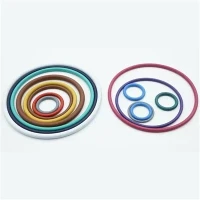


As a seasoned supplier of rubber gaskets, I've witnessed firsthand the critical role proper storage plays in maintaining the quality and performance of these essential components. Rubber gaskets, including Solid Rubber Gasket, Epdm Ring Gasket, and Waterproof Rubber Gasket, are used in a wide range of industries, from automotive to plumbing, and their integrity can be significantly affected by improper storage conditions. In this blog post, I'll delve into the key storage requirements for rubber gaskets to ensure they remain in optimal condition until they're ready for use.


Temperature and Humidity Control
One of the most important factors in storing rubber gaskets is controlling the temperature and humidity of the storage environment. Rubber is a sensitive material that can be easily damaged by extreme temperatures and high humidity levels. Ideally, rubber gaskets should be stored in a cool, dry place with a temperature range between 20°C and 25°C (68°F and 77°F) and a relative humidity level between 40% and 60%.
Exposure to high temperatures can cause rubber to become soft, sticky, and lose its elasticity, while low temperatures can make it brittle and prone to cracking. High humidity levels can also lead to the growth of mold and mildew, which can damage the rubber and compromise its performance. To maintain the proper temperature and humidity levels, it's recommended to store rubber gaskets in a climate-controlled storage facility or a sealed container with a desiccant to absorb moisture.
Protection from Light and Ozone
Another important consideration when storing rubber gaskets is protecting them from light and ozone. Exposure to sunlight and artificial light sources can cause rubber to deteriorate over time, leading to discoloration, cracking, and a loss of elasticity. Ozone, a highly reactive gas found in the atmosphere, can also cause rubber to degrade by attacking the double bonds in the rubber molecules.
To protect rubber gaskets from light and ozone, it's recommended to store them in a dark, airtight container or a storage area that's shielded from direct sunlight and other light sources. If possible, the storage area should also be equipped with an ozone generator or an ozone absorber to reduce the levels of ozone in the air.
Avoidance of Contact with Chemicals and Solvents
Rubber gaskets can be easily damaged by contact with chemicals and solvents, which can cause them to swell, dissolve, or become brittle. To avoid damage, it's important to store rubber gaskets away from chemicals and solvents, including cleaning agents, lubricants, fuels, and acids. If rubber gaskets come into contact with chemicals or solvents, they should be immediately cleaned with a mild detergent and water and dried thoroughly before being stored.
Proper Handling and Storage Containers
Proper handling and storage containers are also essential for maintaining the quality and performance of rubber gaskets. When handling rubber gaskets, it's important to wear gloves to prevent the transfer of oils and dirt from your hands to the rubber. Rubber gaskets should also be handled gently to avoid stretching, bending, or tearing them.
When storing rubber gaskets, it's recommended to use a storage container that's made of a non-reactive material, such as plastic or metal, and that's large enough to accommodate the gaskets without squeezing or compressing them. The storage container should also be labeled with the type of rubber gasket, the size, and the date of manufacture to make it easy to identify and retrieve the gaskets when needed.
Regular Inspection and Maintenance
Finally, it's important to regularly inspect and maintain rubber gaskets to ensure they remain in optimal condition. This includes checking the gaskets for signs of damage, such as cracks, tears, or discoloration, and replacing them if necessary. It's also recommended to clean the gaskets periodically to remove any dirt, dust, or debris that may have accumulated on them.
In addition to regular inspections and maintenance, it's also important to keep accurate records of the storage conditions and the inspection results for each batch of rubber gaskets. This can help you identify any trends or issues that may be affecting the quality and performance of the gaskets and take appropriate action to address them.
Conclusion
In conclusion, proper storage is essential for maintaining the quality and performance of rubber gaskets. By controlling the temperature and humidity, protecting the gaskets from light and ozone, avoiding contact with chemicals and solvents, using proper handling and storage containers, and regularly inspecting and maintaining the gaskets, you can ensure that they remain in optimal condition until they're ready for use.
If you're in the market for high-quality rubber gaskets or have any questions about their storage requirements, please don't hesitate to contact us. We're a leading supplier of rubber gaskets, including Solid Rubber Gasket, Epdm Ring Gasket, and Waterproof Rubber Gasket, and we're committed to providing our customers with the best products and services possible. Contact us today to learn more about our products and how we can help you meet your rubber gasket needs.
References
- ASTM International. (2019). Standard Practice for Rubber Products - Preparation, Packaging, and Storage. ASTM D1053-19.
- Rubber Manufacturers Association. (2018). Rubber Product Storage Guidelines. RMA Publication No. 2018-01.
- Smith, J. (2017). The Science of Rubber: Properties, Processing, and Applications. CRC Press.