



Can rubber V rings be used in marine applications? This is a question that often arises in the maritime industry, and as a rubber V ring supplier, I am well - positioned to provide a comprehensive answer.
The Basics of Rubber V Rings
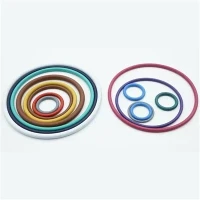
Before delving into their marine applications, let's first understand what rubber V rings are. Rubber V rings, also known as V seals, are sealing elements with a distinctive V - shaped cross - section. They are typically made from various types of rubber compounds, such as nitrile rubber (NBR), ethylene propylene diene monomer (EPDM), and fluorocarbon rubber (FKM). Each rubber type offers different properties in terms of temperature resistance, chemical resistance, and durability.
The design of the V ring allows it to provide a dynamic seal. When installed, the V shape is compressed, creating a tight fit against the mating surfaces. This compression ensures that the seal can prevent the leakage of fluids, such as oil, water, or hydraulic fluids, and also keep out contaminants like dust, dirt, and saltwater spray. To learn more about the fundamentals of V seals, you can visit V Seal 101.
Requirements for Marine Applications
Marine environments are extremely harsh. Equipment used in this setting is constantly exposed to saltwater, high humidity, wide temperature variations, and mechanical stress. For a sealing solution to be suitable for marine applications, it must meet several key requirements:
Chemical Resistance
Saltwater is highly corrosive. A good seal must be able to resist the chemical attack of salt, preventing degradation and maintaining its sealing performance over time. For example, EPDM rubber is known for its excellent resistance to water and chemicals, making it a potential candidate for marine - related sealing tasks.
Temperature Tolerance
In the marine environment, temperatures can range from very cold in deep - sea operations to relatively high in engine compartments. The sealing material should be able to maintain its elasticity and sealing properties across this wide temperature spectrum. FKM rubber, for instance, can withstand high temperatures and is also resistant to many chemicals, which makes it suitable for applications near hot engine parts.
Durability and Abrasion Resistance
Marine equipment often experiences vibration and movement, which can cause abrasion on the seals. A durable rubber V ring should be able to withstand this mechanical wear and tear without losing its sealing integrity.
Low - friction Performance
In some marine applications, such as in rotating shafts, low - friction seals are required to reduce energy consumption and prevent excessive wear on the mating parts.
Advantages of Using Rubber V Rings in Marine Applications
Now, let's explore why rubber V rings can be a great choice for marine applications:
Excellent Sealing Performance
The V - shaped design of rubber V rings allows them to provide a reliable seal even under varying pressures. The self - energizing nature of the V shape means that as the pressure increases, the seal tightens against the mating surfaces, enhancing the sealing effect. This is crucial in marine applications where preventing fluid leakage is essential for the proper functioning of equipment, such as in pumps, valves, and hydraulic systems.
Adaptability
Rubber V rings can be easily customized to fit different sizes and shapes of equipment. Whether it's a small valve or a large - scale marine engine, a suitable rubber V ring can be manufactured. This adaptability makes them a versatile solution for a wide range of marine applications.
Cost - effectiveness
Compared to some other high - end sealing solutions, rubber V rings are relatively inexpensive. They offer a good balance between performance and cost, making them an attractive option for marine operators looking to keep their equipment maintenance and replacement costs down.
Specific Marine Applications of Rubber V Rings
Ship Engines
In ship engines, rubber V rings are used in various components. For example, they can be found in the crankshaft seals to prevent oil leakage. The high - temperature resistance of some rubber compounds ensures that the seals can withstand the heat generated by the engine. Additionally, their ability to resist oil and other lubricants is vital for maintaining the proper lubrication of engine parts.
Pump Seals
Marine pumps are used for a variety of purposes, such as bilge pumping, ballast water management, and fuel transfer. Rubber V rings can be used to seal the shafts and housings of these pumps, preventing water or fuel leakage. Their ability to adapt to different shaft sizes and operating conditions makes them a popular choice in pump applications.
Hydraulic Systems
Hydraulic systems are widely used in marine equipment for steering, lifting, and other functions. Rubber V rings can be used to seal hydraulic cylinders and valves, ensuring the efficient transfer of hydraulic fluid and preventing contamination from the surrounding marine environment.
Underwater Equipment
For underwater vehicles and equipment, rubber V rings play a crucial role in keeping water out. Their resistance to saltwater and ability to maintain a seal at different depths make them suitable for applications such as submersible pumps, underwater cameras, and remotely operated vehicles (ROVs).
Different Types of Rubber V Rings for Marine Use
There are several types of rubber V rings that are commonly used in marine applications. One such type is the Spring V Seal. Spring V seals have an additional spring element that provides extra tension, enhancing the sealing performance, especially in applications where there are large pressure variations or where the mating surfaces are not perfectly aligned.


Another type is the V Shaped Seal. These are the traditional rubber V rings with a simple yet effective design. They are available in different rubber compounds, allowing users to choose the one that best suits their specific marine application requirements.
Challenges and Considerations
While rubber V rings offer many advantages in marine applications, there are also some challenges to be aware of. One of the main challenges is the long - term exposure to the harsh marine environment. Over time, even the most resistant rubber compounds may experience some degree of degradation. Regular inspection and replacement of the seals are necessary to ensure continuous and reliable operation.
Another consideration is the proper installation of rubber V rings. Incorrect installation can lead to premature failure of the seal. It is important to follow the manufacturer's guidelines regarding installation procedures, such as the correct amount of compression and the use of appropriate lubricants during installation.
Conclusion
In conclusion, rubber V rings can indeed be used in marine applications. Their excellent sealing performance, adaptability, and cost - effectiveness make them a viable option for a wide range of marine equipment. With the right choice of rubber compound and proper installation, they can meet the demanding requirements of the harsh marine environment.
If you are in the marine industry and are looking for high - quality rubber V rings for your equipment, we are here to help. As a professional rubber V ring supplier, we offer a wide range of products with different rubber compounds and sizes to meet your specific needs. Contact us to start a procurement discussion, and let's work together to find the best sealing solutions for your marine applications.
References
- "Handbook of Sealing Technology" by Lebeck, A. O.
- "Rubber Technology" by Morton, M.