


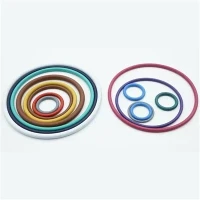

Compression set is a crucial property when it comes to molded rubber seals. As someone running a molded rubber seals supply business, I've seen firsthand how this property can make or break a seal's performance. So, let's dig into what compression set properties of molded rubber seals are all about.


Understanding Compression Set
First off, what exactly is compression set? Well, when you compress a rubber seal, it deforms. But the key is what happens when you release that compression. Compression set is the measure of the seal's ability to return to its original shape after being compressed for a certain period under specific conditions. It's usually expressed as a percentage. A lower percentage means the seal can bounce back better, while a higher one indicates more permanent deformation.
Let's say you've got a Rubber Draught Seal installed in a window. When the window is closed, the seal gets compressed. If the compression set of the rubber is high, the seal won't fully return to its original shape when the window is opened again. Over time, this can lead to gaps, allowing air, water, or dust to seep in.
Factors Affecting Compression Set
There are several factors that can influence the compression set of molded rubber seals.
Rubber Material
The type of rubber used is a major factor. Different rubber compounds have different molecular structures, which affect their ability to recover from compression. For example, silicone rubber generally has a lower compression set compared to natural rubber. Silicone has a more flexible molecular chain, allowing it to return to its original shape more easily. On the other hand, natural rubber can be more prone to permanent deformation, especially under high - temperature conditions.
Temperature
Temperature plays a huge role. At high temperatures, the rubber molecules become more active. The heat can break some of the intermolecular bonds, making it harder for the rubber to return to its original shape. This is why seals used in high - temperature environments, like engines or industrial ovens, need to be made from rubber compounds with good high - temperature compression set resistance. For instance, a Solid Silicone Plug used in an engine might be exposed to temperatures well above 100°C. If the silicone doesn't have good compression set properties at these temperatures, it can fail to seal properly.
Conversely, at low temperatures, rubber can become stiff. The molecules have less energy to move around, and the rubber loses its elasticity. This can also increase the compression set, making the seal less effective in cold climates.
Compression Force and Time
The amount of force applied during compression and the duration of compression also matter. If a seal is compressed with a very high force for a long time, it's more likely to have a higher compression set. For example, in a hydraulic system, the seals are constantly under high pressure. If the rubber isn't up to the task, it can gradually deform and lose its sealing ability.
Measuring Compression Set
To measure compression set, we use standardized tests. One common test is the ASTM D395 test method. In this test, a rubber specimen is compressed to a specific thickness and held at a certain temperature for a set period. After the compression time is up, the specimen is allowed to recover for a specific time, and then its final thickness is measured. The compression set is calculated as the percentage of the difference between the original thickness and the final thickness after recovery.
Importance of Compression Set in Different Applications
Automotive Industry
In the automotive world, molded rubber seals are everywhere. From door seals to engine gaskets, the compression set property is vital. A door seal with a high compression set can lead to noise, water leakage, and reduced fuel efficiency due to air leakage. Engine gaskets need to maintain a tight seal under high - temperature and high - pressure conditions. If the compression set of the gasket material is too high, it can result in oil or coolant leaks, which can cause serious engine damage.
Aerospace Industry
Aerospace applications demand the highest level of reliability from rubber seals. Seals are used in aircraft engines, fuel systems, and cabin pressurization systems. In these applications, even a small leak can have catastrophic consequences. The seals need to have excellent compression set properties over a wide range of temperatures, from the extreme cold of high - altitude flight to the high temperatures generated by the engines.
Industrial Equipment
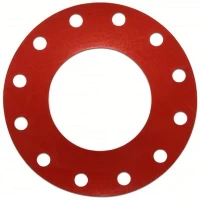
In industrial equipment, such as pumps, valves, and compressors, rubber seals are used to prevent fluid leakage. A seal with a poor compression set can lead to loss of pressure, reduced efficiency, and increased maintenance costs. For example, a Flat Rubber Seal Ring used in a pump might need to withstand high - pressure fluid flow. If the compression set is high, the seal can wear out quickly, leading to frequent replacements.
How We Ensure Good Compression Set in Our Molded Rubber Seals
As a molded rubber seals supplier, we take several steps to ensure that our seals have good compression set properties.
Material Selection
We carefully choose the rubber compounds based on the application requirements. For high - temperature applications, we might opt for silicone or fluorocarbon rubber, which have better high - temperature compression set resistance. For general - purpose applications, we use natural rubber or nitrile rubber, which offer a good balance of properties at a reasonable cost.
Quality Control
We have strict quality control measures in place. Every batch of rubber seals goes through compression set testing to ensure that they meet the required standards. We also monitor the manufacturing process closely to make sure that the seals are molded correctly, as improper molding can affect the compression set.
Conclusion
The compression set properties of molded rubber seals are a critical factor in their performance. Whether it's in automotive, aerospace, or industrial applications, a seal with good compression set can ensure reliable operation and prevent costly failures. As a supplier of molded rubber seals, we're committed to providing high - quality products with excellent compression set properties.
If you're in the market for molded rubber seals and want to discuss your specific requirements, feel free to reach out. We're here to help you find the perfect seal for your application.
References
- ASTM D395 - Standard Test Methods for Rubber Property - Compression Set
- "Rubber Technology" by Maurice Morton