


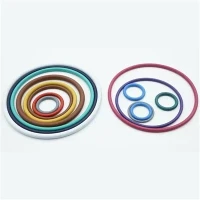


As a seasoned silicone hose supplier, I've witnessed firsthand the diverse applications and the wide range of chemicals that can be safely transferred using our high - quality silicone hoses. Silicone hoses are renowned for their excellent chemical resistance, flexibility, and durability, making them a top choice in various industries.
General Chemical Resistance of Silicone Hoses
Silicone hoses are made from a synthetic rubber material that has unique molecular properties. The backbone of silicone rubber consists of silicon - oxygen bonds, which provide it with a high degree of stability. This stability translates into good resistance to many chemicals.
Aqueous Solutions
One of the most common types of chemicals transferred through silicone hoses is aqueous solutions. These include water, whether it's pure water used in laboratory settings, potable water in food and beverage applications, or water mixed with various additives. For example, in the pharmaceutical industry, silicone hoses are often used to transfer purified water during the manufacturing process of drugs. The hoses' smooth inner surface prevents the growth of bacteria and other contaminants, ensuring the purity of the water.
In addition, aqueous solutions of salts, acids, and bases can also be transferred using silicone hoses, depending on the concentration. Dilute solutions of acids like acetic acid and bases like sodium hydroxide can generally be handled by silicone hoses. However, it's crucial to note that concentrated acids or bases may cause degradation of the silicone material over time.
Oils and Lubricants
Silicone hoses are well - suited for transferring oils and lubricants. In the automotive industry, they are commonly used to transfer engine oil, transmission fluid, and coolant. The hoses' flexibility allows for easy installation in tight spaces, and their resistance to high temperatures ensures that they can withstand the heat generated by the engine.
In industrial machinery, silicone hoses are used for the transfer of hydraulic oils. These oils are essential for the operation of hydraulic systems, and the reliable performance of silicone hoses helps to maintain the efficiency of the machinery. The hoses' ability to resist the swelling and softening effects of oils ensures a long service life.
Food - Grade Chemicals
For applications in the food and beverage industry, our Fda Silicone Tube is an ideal choice. These tubes are specifically designed to meet the strict requirements of the Food and Drug Administration (FDA). They can safely transfer a variety of food - grade chemicals, such as fruit juices, milk, and beer.
The non - toxic nature of silicone ensures that there is no contamination of the food products. Moreover, silicone hoses are resistant to the acidic and alkaline components present in many food and beverage items. For example, in the dairy industry, they are used to transfer milk from storage tanks to processing equipment without affecting the quality of the milk.
Mild Solvents
Some mild solvents can also be transferred using silicone hoses. For instance, ethanol, which is commonly used in the pharmaceutical and cosmetic industries, can be safely transported through silicone hoses. Ethanol is often used as a solvent for the extraction of active ingredients from plants or as a preservative in cosmetic products.
In addition, isopropyl alcohol can be transferred with silicone hoses. It is widely used for cleaning and disinfection purposes in laboratories and manufacturing facilities. The hoses' chemical resistance ensures that there is no reaction between the solvent and the hose material, which could lead to the degradation of the hose or contamination of the solvent.
Chemicals to Avoid
While silicone hoses have excellent chemical resistance, there are some chemicals that should be avoided. Strong oxidizing agents, such as concentrated sulfuric acid, nitric acid, and hydrogen peroxide, can cause severe damage to silicone hoses. These chemicals can break down the silicone polymer chains, leading to a loss of mechanical properties and potential leakage.
Halogenated hydrocarbons, such as chloroform and carbon tetrachloride, are also not compatible with silicone hoses. These solvents can dissolve or swell the silicone material, making the hoses ineffective for chemical transfer.
Factors Affecting Chemical Compatibility
Several factors can affect the chemical compatibility of silicone hoses. Temperature is a significant factor. Higher temperatures can accelerate the chemical reaction between the hose material and the transferred chemical, reducing the hose's service life. For example, a silicone hose that can withstand a certain chemical at room temperature may not be able to do so at elevated temperatures.
The concentration of the chemical also plays a crucial role. A dilute solution of a chemical may be compatible with a silicone hose, while a concentrated solution may cause damage. The duration of exposure is another factor. Prolonged exposure to a chemical can increase the likelihood of degradation, even if the chemical is initially compatible with the hose.
Our Product Range for Chemical Transfer
We offer a wide range of silicone hoses suitable for different chemical transfer applications. Our Clear Silicone Rubber Tubing is a popular choice for applications where visibility of the transferred chemical is required. It is often used in laboratory settings and in the food and beverage industry.
Our Metric Silicone Tubing is designed to meet international standards and is available in a variety of sizes. It is suitable for a wide range of chemical transfer applications, from small - scale laboratory use to large - scale industrial processes.
Conclusion
In conclusion, silicone hoses are a versatile solution for the transfer of many chemicals. Their excellent chemical resistance, flexibility, and durability make them suitable for various industries, including automotive, pharmaceutical, food and beverage, and industrial manufacturing. However, it's essential to carefully consider the chemical compatibility of the hoses based on factors such as the type of chemical, temperature, concentration, and duration of exposure.
If you are in need of high - quality silicone hoses for chemical transfer applications, we are here to help. Our team of experts can provide you with detailed information about our products and assist you in selecting the most suitable hose for your specific needs. Contact us for a consultation and let's start a discussion about your silicone hose requirements.


References
- "Handbook of Elastomers" by I. I. Rubin
- "Rubber Technology" by Maurice Morton
- Technical data sheets from silicone hose manufacturers