


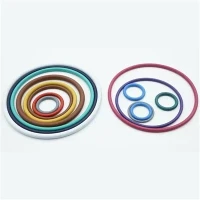

Hey there! As a rubber V ring supplier, I often get asked about the adhesion of rubber V rings to other materials. It's a pretty important topic, especially if you're in an industry that relies on these seals for various applications. So, let's dive right in and explore what this adhesion is all about.
What Are Rubber V Rings?
Before we talk about adhesion, let's quickly go over what rubber V rings are. Rubber V rings are a type of seal that have a V-shaped cross-section. They're used in a wide range of industries, from automotive to manufacturing, to prevent the leakage of fluids or gases. These seals are known for their flexibility and ability to fit snugly into different spaces. You can learn more about them on V Seal 101.
Why Is Adhesion Important?
Adhesion refers to the ability of the rubber V ring to stick or bond to another material. This is crucial for several reasons. First off, good adhesion ensures a tight seal. When a rubber V ring adheres well to the surface it's in contact with, it can prevent any unwanted leaks. Whether it's oil in an engine or water in a plumbing system, a strong bond means better performance and reliability.
Secondly, adhesion affects the durability of the seal. If the rubber V ring doesn't adhere properly, it might start to peel or come loose over time. This can lead to premature failure of the seal, which can be a real headache for businesses. It can result in downtime, increased maintenance costs, and even safety hazards in some cases.
Factors Affecting Adhesion
Now, let's take a look at the factors that can influence the adhesion of rubber V rings to other materials.
Material Compatibility
One of the most important factors is the compatibility between the rubber material of the V ring and the surface it's being bonded to. Different types of rubber have different chemical properties, and they might react differently with other materials. For example, some rubbers might bond well with metal surfaces, while others are better suited for plastic or ceramic. It's essential to choose the right rubber material based on the specific application and the material it will be in contact with.
Surface Preparation
The surface of the material that the rubber V ring will adhere to also plays a big role. A clean, smooth surface is much more likely to have good adhesion than a dirty or rough one. Before installing the V ring, it's important to clean the surface thoroughly to remove any dirt, grease, or other contaminants. Sometimes, a light sanding or chemical treatment might be necessary to improve the surface's roughness and create a better bonding area.
Temperature and Pressure
The temperature and pressure conditions during the installation and use of the rubber V ring can also affect adhesion. High temperatures can cause the rubber to expand and might weaken the bond. On the other hand, low temperatures can make the rubber more brittle, which can also lead to adhesion problems. Similarly, excessive pressure can cause the rubber to deform or break the bond, while too little pressure might not allow for a proper seal.
Adhesive Selection
In some cases, an adhesive might be used to improve the adhesion of the rubber V ring. There are different types of adhesives available, and choosing the right one is crucial. The adhesive should be compatible with both the rubber material and the surface it's being applied to. It should also have the right properties, such as good bonding strength and resistance to environmental factors like heat and moisture.
Types of Adhesion
There are a few different types of adhesion that can occur between rubber V rings and other materials.
Mechanical Adhesion
Mechanical adhesion happens when the rubber V ring physically interlocks with the surface of the other material. This can occur when the surface has small pores or irregularities that the rubber can fill in. For example, if the surface of a metal part has been sanded to create a rough texture, the rubber can grip onto these rough areas, creating a mechanical bond.
Chemical Adhesion
Chemical adhesion involves a chemical reaction between the rubber and the surface. This can happen when the rubber contains certain chemicals that react with the molecules on the surface of the other material. For example, some rubbers might have functional groups that can form covalent bonds with the surface, creating a strong chemical bond.
Physical Adhesion
Physical adhesion is based on intermolecular forces, such as van der Waals forces. These forces are relatively weak compared to chemical bonds, but they can still contribute to the overall adhesion. Physical adhesion can occur between the rubber and the surface even without a chemical reaction.
Testing Adhesion
To ensure that the rubber V rings have good adhesion, it's important to conduct adhesion tests. There are several methods available for testing adhesion, such as the peel test and the shear test.
The peel test involves pulling the rubber V ring away from the surface at a specific angle and measuring the force required to do so. A higher peel force indicates better adhesion. The shear test, on the other hand, measures the force required to slide the rubber V ring along the surface. This test can give an indication of the shear strength of the bond.
Applications and Adhesion Requirements
Different applications have different adhesion requirements for rubber V rings.
Automotive Industry
In the automotive industry, rubber V rings are used in engines, transmissions, and other components. The adhesion requirements are quite high, as these seals need to withstand high temperatures, pressures, and vibrations. For example, in an engine, the rubber V ring used to seal the oil pan needs to have excellent adhesion to prevent oil leaks. If the adhesion is poor, it can lead to oil loss, which can damage the engine.
Manufacturing Industry
In the manufacturing industry, rubber V rings are used in various machinery and equipment. The adhesion requirements depend on the specific application. For example, in a hydraulic system, the rubber V ring used to seal the hydraulic cylinder needs to have good adhesion to prevent fluid leakage. If the adhesion fails, it can affect the performance of the hydraulic system and lead to production delays.
Plumbing Industry
In the plumbing industry, rubber V rings are used to seal pipes and fittings. The adhesion requirements are important to prevent water leaks. The rubber V ring needs to adhere well to the pipe surface to create a watertight seal. If the adhesion is not sufficient, it can result in water damage and increased water bills.
Our Solutions as a Rubber V Ring Supplier
As a rubber V ring supplier, we understand the importance of adhesion. That's why we offer a wide range of rubber V rings made from different materials to ensure compatibility with various surfaces. We also provide surface preparation guidelines and can recommend the right adhesive if needed.


Our team of experts can help you choose the right rubber V ring for your specific application. We can take into account factors like temperature, pressure, and the type of material you're working with. Whether you need a V Type Seal or a Spring V Seal, we've got you covered.
Conclusion
In conclusion, the adhesion of rubber V rings to other materials is a crucial aspect of their performance. It affects the seal's ability to prevent leaks, its durability, and its overall reliability. By understanding the factors that affect adhesion, the types of adhesion that can occur, and how to test adhesion, you can make informed decisions when choosing rubber V rings for your applications.
If you're in the market for high-quality rubber V rings with excellent adhesion, don't hesitate to reach out to us. We're here to help you find the right solution for your needs. Whether you have questions about adhesion, need advice on surface preparation, or want to place an order, we're just a message away. Let's work together to ensure your seals perform at their best!
References
- "Handbook of Rubber Technology" by K. K. Chandra
- "Rubber Seals: Design, Materials, and Applications" by John A. Dickson
- "Adhesion Science and Engineering" edited by K. L. Mittal