



Hey there! I'm a supplier of rubber seals, and I often get asked about the price range of these nifty little products. So, I thought I'd take a deep dive into this topic and share some insights with you.
First off, it's important to understand that the price of rubber seals can vary widely. There are a bunch of factors that come into play, and I'll break them down for you one by one.
Material Matters
The type of rubber used in a seal is a major determinant of its price. Different rubbers have different properties, and they're suited for different applications.
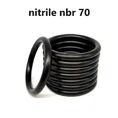
- Nitrile Rubber (NBR): This is one of the most commonly used rubbers for seals. It's resistant to oil, fuel, and other hydrocarbons, making it ideal for automotive and industrial applications. NBR seals are relatively affordable, usually ranging from a few cents to a couple of dollars, depending on the size and complexity.
- Silicone Rubber: Silicone is known for its excellent heat resistance, flexibility, and electrical insulation properties. It's often used in high - temperature applications, such as in ovens or electronic devices. Silicone seals tend to be a bit more expensive than NBR, typically starting from around a dollar and going up to $10 or more, especially for custom - made or high - precision seals.
- Fluorocarbon Rubber (FKM): FKM is extremely resistant to chemicals, high temperatures, and harsh environments. It's commonly used in the aerospace, chemical processing, and automotive industries. Due to its superior performance, FKM seals are the most expensive. You can expect to pay anywhere from $5 to $50 or even more for a single FKM seal, depending on its size and specifications.
Size and Shape
The size and shape of a rubber seal also have a significant impact on its price.
- Small Seals: Tiny seals, like those used in watches or small electronic components, are generally cheaper. They require less material, and the manufacturing process is usually simpler. You can find small rubber seals for as little as a few cents each.
- Large Seals: On the other hand, large seals, such as those used in industrial pipes or heavy - duty machinery, can be quite expensive. They need more rubber material, and the production process may be more complex. A large - diameter rubber seal can cost anywhere from $20 to several hundred dollars.
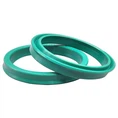
- Complex Shapes: Seals with complex shapes, like Flat Rubber Seal Ring, which may have intricate designs or multiple layers, are more costly to produce. The manufacturing process for these seals often requires special molds and more precise machining, driving up the price.
Quantity and Customization
The quantity you order and whether the seals are custom - made also affect the price.
- Bulk Orders: If you're buying rubber seals in large quantities, you can usually get a better price per unit. Suppliers often offer volume discounts, so the more you buy, the less you pay per seal. For example, if you order 100 seals, you might pay $1 each, but if you order 1000, the price per seal could drop to 70 cents.
- Custom - Made Seals: Custom - made rubber seals are designed to meet specific requirements. This could include unique sizes, shapes, or performance characteristics. The design and production of custom seals involve additional costs, such as mold creation and engineering time. As a result, custom - made seals can be significantly more expensive than standard off - the - shelf seals.
Quality and Brand
The quality of the rubber seal and the reputation of the brand also play a role in pricing.


- High - Quality Seals: High - quality seals are made from better - grade rubber materials, have more precise dimensions, and are subject to stricter quality control measures. They offer better performance and longer service life. Naturally, these seals come at a higher price. However, in the long run, they can save you money by reducing the need for frequent replacements.
- Well - Known Brands: Well - established brands often charge a premium for their products. They have a reputation to uphold, and they invest in research and development, quality control, and customer service. While you may pay more for a branded seal, you can usually expect a certain level of quality and reliability.
Specific Product Examples
Let's take a look at some specific types of rubber seals and their price ranges.
- Rubber Draught Seal: These seals are used to prevent air leakage around doors and windows. They're usually made from EPDM rubber, which is affordable and weather - resistant. A standard rubber draught seal can cost anywhere from $5 to $20 per meter, depending on its thickness and width.
- Rubber Bumper: Rubber bumpers are used to absorb shock and protect surfaces. They come in various sizes and shapes. Small rubber bumpers, like those used on furniture, can cost as little as 50 cents each, while larger, heavy - duty bumpers for industrial equipment can cost $10 to $50 or more.
In conclusion, the price range of rubber seals can be quite broad, from a few cents to several hundred dollars. When you're looking to buy rubber seals, it's important to consider your specific needs, the performance requirements, and your budget. Don't just go for the cheapest option, as a low - quality seal may end up costing you more in the long run due to frequent replacements and potential damage to your equipment.
If you're in the market for rubber seals and want to discuss your requirements, I'd be more than happy to help. Whether you need a standard off - the - shelf seal or a custom - made solution, I can provide you with the right product at a competitive price. Just reach out, and we can start the conversation.
References
- "Handbook of Elastomers" by B. S. Reddy
- "Rubber Technology: Compounding, Testing, and Applications" by K. George Thomas