



Hey there! I'm a nitrile oil seal supplier, and today I wanna talk about the recycling process for nitrile oil seals. You might be wondering why recycling these things is even important. Well, nitrile rubber, which is used to make these oil seals, is a synthetic rubber that doesn't break down easily in the environment. If we don't recycle them, they'll just pile up in landfills for ages.
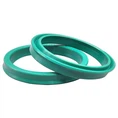
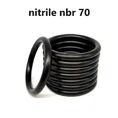
First off, let's understand what nitrile oil seals are. They're used in all sorts of machinery to prevent the leakage of oil and other fluids. You can find them in cars, industrial equipment, and even some household appliances. They're tough little guys, designed to withstand high temperatures, pressures, and chemical exposure.
Now, let's get into the recycling process. The first step is collection. This can be a bit tricky because nitrile oil seals are used in so many different places. We usually work with manufacturers, repair shops, and waste management companies to collect used oil seals. Sometimes, we even offer incentives for people to bring them to us.
Once we've got a good batch of used nitrile oil seals, the next step is sorting. Not all nitrile oil seals are the same. Some might have different additives or be contaminated with other materials. We need to separate them based on their composition and condition. This helps us ensure that the recycling process is as efficient as possible.


After sorting, the oil seals go through a cleaning process. This is super important because any dirt, oil, or other contaminants can affect the quality of the recycled material. We use special cleaning agents and techniques to remove all the gunk. It's like giving the oil seals a good bath!
Once they're clean, it's time for the big transformation. The nitrile oil seals are shredded into small pieces. These pieces are then melted down at high temperatures. This process breaks down the rubber molecules and turns them into a liquid state.
During the melting process, we can add some additives to improve the properties of the recycled rubber. For example, we might add antioxidants to make it more resistant to aging. We can also adjust the hardness and flexibility of the rubber depending on what it'll be used for.
After the rubber has been melted and adjusted, it's ready to be formed into new products. We can use different molding techniques to create all sorts of things, like new oil seals, gaskets, or even rubber mats. It's amazing how something that was once a used oil seal can be turned into something brand new!
Now, let's talk about the benefits of recycling nitrile oil seals. First of all, it's great for the environment. By recycling, we reduce the amount of waste that goes into landfills. We also save energy because it takes less energy to recycle rubber than to produce it from scratch.
Recycling also makes economic sense. The cost of producing new nitrile rubber can be pretty high, especially when you consider the raw materials and energy involved. By using recycled rubber, we can lower the production costs and offer more affordable products to our customers.
If you're in the market for nitrile oil seals, we've got a great selection. Check out our 14x24x6 Oil Seal, which is a popular choice for many applications. We also have Inner Oil Seal and Universal Oil Seals that are designed to meet different needs.
We're committed to providing high-quality products while also being environmentally responsible. If you have any questions about our nitrile oil seals or the recycling process, don't hesitate to reach out. We're always happy to talk to potential customers and discuss your specific requirements. Whether you're a small repair shop or a large manufacturing company, we can work with you to find the right solutions.
In conclusion, the recycling process for nitrile oil seals is a complex but rewarding one. It allows us to give new life to these useful products while also doing our part for the environment. So, if you're looking for a reliable nitrile oil seal supplier who cares about sustainability, look no further. Contact us today to start a conversation about your next purchase.
References
- "Rubber Recycling: Technology, Chemistry, and Applications" by Anvar K. Isayev
- "Handbook of Elastomers" edited by Brian M. Culbertson