



In the realm of industrial machinery and fluid control systems, valves play a pivotal role in regulating the flow of liquids, gases, and other substances. The efficiency and reliability of these valves are largely dependent on the effectiveness of their sealing mechanisms. Among the various sealing solutions available, unitized seals have emerged as a critical component, offering a range of benefits that enhance the performance and longevity of valves. As a leading supplier of unitized seals, I am well - versed in the importance of these seals in the valve industry, and in this blog, I will delve into the role of unitized seals in sealing valves.
Understanding Unitized Seals
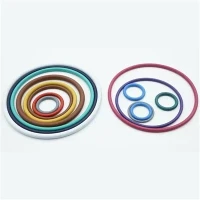
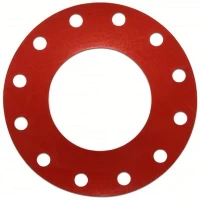
Unitized seals are integrated sealing solutions that combine multiple sealing elements into a single, pre - assembled unit. These seals are designed to provide a comprehensive sealing solution, eliminating the need for multiple individual seals and reducing the complexity of the sealing system. They are typically composed of elastomeric materials, such as rubber, combined with other components like metal reinforcements or plastic elements, depending on the specific application requirements.
The design of unitized seals allows for a more precise and consistent sealing performance. By integrating different sealing functions into one unit, they can better withstand various operating conditions, including pressure, temperature, and chemical exposure. This makes them an ideal choice for a wide range of valve applications, from simple on - off valves to complex control valves used in high - pressure and high - temperature environments.

The Role of Unitized Seals in Valve Sealing
1. Preventing Leakage
One of the primary roles of unitized seals in valves is to prevent leakage. Valves are used to control the flow of fluids, and any leakage can lead to significant losses, environmental hazards, and even safety risks. Unitized seals create a tight seal between the moving parts of the valve, such as the valve stem and the valve body, or between the valve seat and the disc.
The elastomeric materials used in unitized seals have excellent elastic properties, allowing them to conform to the surfaces of the valve components and fill any gaps or irregularities. This ensures a reliable seal, even under varying pressure and temperature conditions. For example, in a high - pressure valve, the unitized seal can withstand the force exerted by the fluid and maintain its sealing integrity, preventing any leakage.
2. Reducing Friction and Wear
Unitized seals also play a crucial role in reducing friction and wear within the valve. As the valve operates, the moving parts come into contact with each other, which can cause friction and wear over time. This can lead to reduced valve performance, increased energy consumption, and ultimately, valve failure.
The design of unitized seals includes features that minimize friction. For instance, some unitized seals have a low - friction surface coating or are made from materials with self - lubricating properties. By reducing friction, the seals help to extend the lifespan of the valve components, ensuring smooth and efficient operation. Additionally, the integrated design of unitized seals provides better support and alignment for the moving parts, further reducing wear and tear.
3. Withstanding Harsh Environments
Valves are often used in harsh environments, where they are exposed to extreme temperatures, corrosive chemicals, and abrasive particles. Unitized seals are engineered to withstand these challenging conditions. The choice of materials for unitized seals is carefully selected based on the specific environmental requirements of the valve application.
For high - temperature applications, seals can be made from heat - resistant elastomers, such as silicone or fluorocarbon rubber. These materials can maintain their sealing properties even at elevated temperatures, ensuring reliable valve operation. In corrosive environments, seals can be made from chemical - resistant materials, such as EPDM or Viton, which can resist the attack of various chemicals and prevent degradation.
4. Enhancing Valve Performance
Unitized seals contribute to the overall performance of the valve by providing consistent and reliable sealing. A well - sealed valve operates more efficiently, as it can accurately control the flow of fluids. This is particularly important in applications where precise flow control is required, such as in chemical processing plants or power generation facilities.
The integrated design of unitized seals also simplifies the valve assembly process. With a single pre - assembled unit, there is less chance of installation errors, which can lead to poor sealing performance. This results in a more reliable and efficient valve system, reducing downtime and maintenance costs.
Types of Unitized Seals for Valves
There are several types of unitized seals that are commonly used in valve applications. Here are some examples:
Molded Rubber Seals
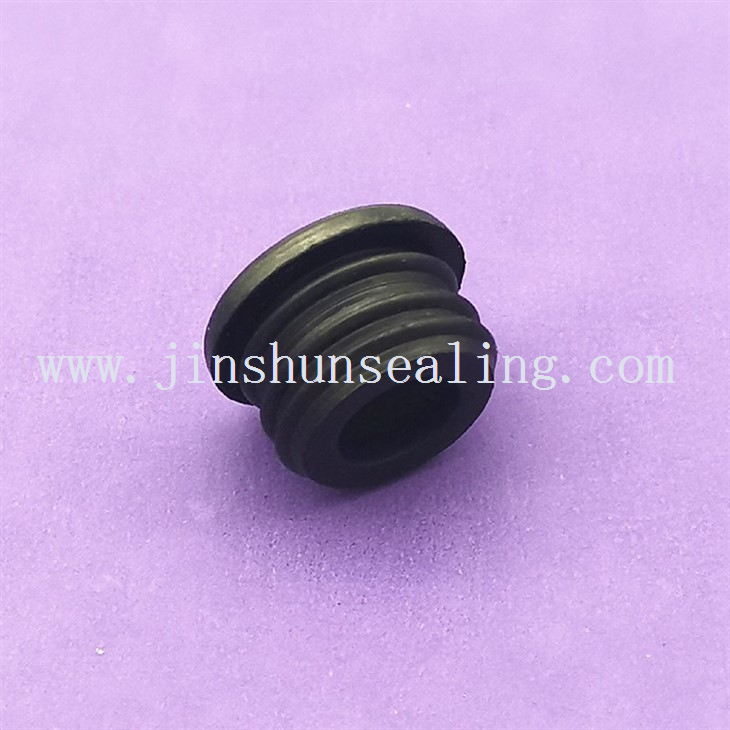
Molded rubber seals are a popular type of unitized seal for valves. They are made by molding rubber into a specific shape, which can be customized to fit the requirements of the valve. Molded Rubber Seals offer excellent sealing performance, as they can conform to the surfaces of the valve components and provide a tight seal. They are also relatively inexpensive and easy to install, making them a cost - effective solution for many valve applications.
Rubber Bumper
Rubber bumpers are another type of unitized seal that can be used in valves. Rubber Bumper are designed to absorb shock and vibration, which can help to protect the valve components from damage. They can also provide a secondary sealing function, preventing leakage in case of primary seal failure. Rubber bumpers are often used in valves that are subject to high - pressure surges or mechanical shocks.
Rubber Diaphragm
Rubber diaphragms are unitized seals that are commonly used in control valves. Rubber Diaphragm act as a flexible barrier between the fluid and the valve actuator, allowing for precise control of the valve position. They can withstand high pressures and provide a reliable seal, making them suitable for applications where accurate flow control is required.
Conclusion
Unitized seals play a vital role in sealing valves, offering a range of benefits that enhance the performance, reliability, and longevity of the valve system. From preventing leakage and reducing friction to withstanding harsh environments and enhancing valve performance, these seals are an essential component in the valve industry.
As a unitized seal supplier, I understand the importance of providing high - quality seals that meet the specific requirements of each valve application. Whether you need a molded rubber seal for a simple on - off valve or a rubber diaphragm for a complex control valve, I can offer a wide range of unitized seals to suit your needs.
If you are looking for reliable unitized seals for your valve applications, I encourage you to contact me for a detailed discussion. We can work together to find the best sealing solution for your specific requirements, ensuring the optimal performance of your valve system.
References
- "Handbook of Valves and Actuators" by Robert W. Day
- "Sealing Technology for Valves" by John D. Adamson
- "Elastomers in Sealing Applications" by Michael J. Corradini