



EPDM, or Ethylene Propylene Diene Monomer, is a synthetic rubber known for its exceptional weather resistance, chemical stability, and electrical insulation properties. As a leading EPDM O - ring supplier, we are often confronted with inquiries regarding the UV light resistance of our EPDM O - rings. In this blog post, we aim to provide a comprehensive exploration of this topic, backed by scientific evidence and real - world applications.
Understanding EPDM and Its Molecular Structure
To assess the UV resistance of EPDM O - rings, it's essential to understand the polymer's molecular structure. EPDM is a copolymer synthesized from ethylene, propylene, and a small amount of a non - conjugated diene monomer. This unique structure imparts significant stability and flexibility to the rubber. The absence of unsaturated double bonds in the main polymer chain, compared to other rubbers like natural rubber or nitrile rubber, makes EPDM inherently more resistant to oxidation and environmental degradation.
The diene monomer in EPDM provides sites for cross - linking during the vulcanization process, which is crucial for enhancing the mechanical properties of the O - rings. However, these diene units are also relatively more reactive than the ethylene - propylene backbone. When exposed to UV light, the high - energy photons can break the chemical bonds, especially those in the diene units, leading to potential degradation.
The Mechanism of UV Degradation in Rubbers
UV light consists of high - energy photons that can penetrate the surface of rubber materials. When these photons interact with the polymer chains in EPDM O - rings, several chemical reactions can occur. The most common is photo - oxidation, where the UV energy breaks the chemical bonds in the rubber, creating free radicals. These free radicals are highly reactive and can react with oxygen in the air to form peroxides. These peroxides can further break down, causing chain scission, which weakens the polymer chains and leads to a deterioration of the rubber's physical properties.
The symptoms of UV degradation in EPDM O - rings can include surface cracking, discoloration (usually a yellowing or darkening of the rubber), and a loss of elasticity. Cracking is particularly problematic as it can compromise the sealing performance of the O - ring, leading to leaks and system failures.
EPDM's Inherent UV Resistance
Despite the potential for UV - induced degradation, EPDM is generally recognized for its good UV resistance compared to many other rubber materials. The saturated ethylene - propylene backbone provides a high level of stability against the high - energy photons in UV light. This stability means that EPDM O - rings can withstand prolonged exposure to sunlight without significant degradation in many applications.
In outdoor applications such as automotive seals, roofing gaskets, and outdoor plumbing systems, EPDM O - rings have proven to be reliable over long periods. The ability of EPDM to resist ozone, another environmental factor that can degrade rubber, also contributes to its overall durability in outdoor settings. Ozone is often present in the atmosphere, especially in urban areas, and can react with the double bonds in rubber polymers, causing cracking. Since EPDM has a low level of unsaturated bonds, it is less susceptible to ozone attack.
Factors Affecting EPDM's UV Resistance
While EPDM has good UV resistance, several factors can influence its performance under UV exposure.


-
Additives: The addition of antioxidants, UV stabilizers, and pigments can significantly enhance the UV resistance of EPDM O - rings. Antioxidants work by scavenging the free radicals generated during photo - oxidation, preventing further chain scission. UV stabilizers absorb the UV energy and dissipate it as heat, reducing the amount of energy available to break the chemical bonds in the rubber. Pigments, especially carbon black, can act as a physical barrier to UV light, absorbing and scattering the photons before they reach the polymer chains.
-
Thickness: The thickness of the EPDM O - ring can also affect its UV resistance. Thicker O - rings have a larger volume of rubber, which means that the UV light has to penetrate a greater distance before reaching the inner layers of the material. This can provide some protection to the core of the O - ring, reducing the overall impact of UV degradation.
-
Exposure Conditions: The intensity and duration of UV exposure, as well as other environmental conditions such as temperature, humidity, and pollution, can all influence the rate of UV degradation in EPDM O - rings. For example, high temperatures can accelerate the chemical reactions involved in photo - oxidation, while high humidity can promote the growth of microorganisms on the rubber surface, which can also contribute to degradation.
Real - World Applications and Performance
In real - world applications, EPDM O - rings have demonstrated their UV resistance in a variety of settings.
-
Automotive Industry: EPDM O - rings are widely used in automotive applications, such as door seals, window seals, and radiator hoses. These seals are exposed to sunlight, ozone, and other environmental factors on a daily basis. Thanks to their good UV resistance, EPDM O - rings can maintain their sealing performance and flexibility over the lifetime of the vehicle, reducing the need for frequent replacements.
-
Construction Industry: In the construction industry, EPDM O - rings are used in roofing systems, plumbing fixtures, and window installations. Roofing gaskets made of EPDM can withstand years of exposure to sunlight, rain, and extreme temperatures without significant degradation. This ensures the long - term waterproofing and energy efficiency of the building.
-
Outdoor Equipment: EPDM O - rings are also used in outdoor equipment such as garden hoses, pool equipment, and outdoor machinery. These applications require seals that can resist the effects of UV light, water, and chemicals. EPDM O - rings have proven to be a reliable choice in these environments, providing long - lasting sealing solutions.
Product Offerings
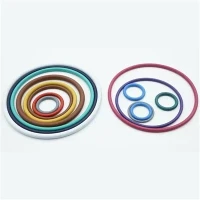
As an EPDM O - ring supplier, we offer a wide range of EPDM O - rings, including Quad Ring EPDM, EPDM Rubber Ring, and Metric Epdm O Rings. Our products are manufactured using high - quality EPDM materials and advanced production techniques, ensuring excellent UV resistance and overall performance.
We understand that each application has unique requirements, and we are committed to providing customized solutions to meet the needs of our customers. Whether you need O - rings for a small - scale project or a large - scale industrial application, our team of experts can help you select the right product and provide technical support.
Conclusion and Call to Action
In conclusion, EPDM O - rings generally exhibit good resistance to UV light due to their unique molecular structure and the ability to incorporate additives for enhanced protection. However, the performance of EPDM O - rings under UV exposure can vary depending on factors such as additives, thickness, and exposure conditions.
If you are in the market for high - quality EPDM O - rings with excellent UV resistance, we invite you to contact us. Our team of professionals is ready to discuss your specific requirements and provide you with the best solutions for your applications. Whether you need a standard product or a customized design, we have the expertise and resources to meet your needs.
References
- Brydson, J. A. (1999). Rubber Chemistry. Oxford University Press.
- Morton, M. (1987). Rubber Technology. Van Nostrand Reinhold.
- ASTM International. (2019). ASTM D573 - 19: Standard Test Method for Rubber - Deterioration in an Air Oven.