


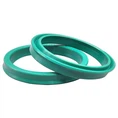
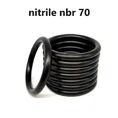

As a supplier of nitrile oil seals, I've had the privilege of working closely with these essential components across various industries. Over the years, I've noticed a recurring question from our clients: Are there any differences in the performance of nitrile oil seals from different manufacturers? This blog post aims to explore this question in depth, drawing on my industry experience and knowledge.
Understanding Nitrile Oil Seals
Before delving into the performance differences, it's crucial to understand what nitrile oil seals are and why they're so widely used. Nitrile rubber, also known as NBR (Nitrile Butadiene Rubber), is a synthetic rubber copolymer of acrylonitrile (ACN) and butadiene. Its unique chemical structure gives it excellent resistance to oil, fuel, and other petroleum-based fluids, making it an ideal material for oil seals.
Nitrile oil seals are used in a wide range of applications, from automotive engines and transmissions to industrial machinery and hydraulic systems. Their primary function is to prevent the leakage of lubricants and fluids while keeping out contaminants such as dirt, dust, and water. This helps to ensure the smooth operation and longevity of the equipment.
Factors Affecting Performance
Several factors can influence the performance of nitrile oil seals, and different manufacturers may approach these factors differently. Here are some key aspects to consider:
Material Quality
The quality of the nitrile rubber used in the oil seals is perhaps the most significant factor affecting performance. High-quality nitrile rubber has better resistance to heat, oil, and abrasion, which can extend the lifespan of the seal and improve its sealing performance. Some manufacturers may use lower-grade nitrile rubber to cut costs, which can result in seals that are more prone to wear, cracking, and leakage.
Manufacturing Process
The manufacturing process also plays a crucial role in determining the performance of nitrile oil seals. Precision manufacturing techniques can ensure that the seals have consistent dimensions and a smooth surface finish, which are essential for proper sealing. Some manufacturers may use advanced molding and curing processes to produce seals with better physical properties and dimensional accuracy. On the other hand, less sophisticated manufacturing processes may result in seals with irregularities or defects that can compromise their performance.
Design and Engineering
The design of the oil seal can have a significant impact on its performance. A well-designed seal will have the right shape, size, and lip geometry to provide optimal sealing performance under specific operating conditions. Different manufacturers may have their own proprietary designs and engineering expertise, which can result in seals that perform better in certain applications. For example, some seals may be designed for high-pressure applications, while others may be more suitable for low-speed or high-temperature environments.
Quality Control
Effective quality control measures are essential to ensure that the nitrile oil seals meet the required standards and specifications. Reputable manufacturers will have strict quality control procedures in place to test the seals for various properties such as hardness, tensile strength, and compression set. They may also conduct performance testing under simulated operating conditions to ensure that the seals perform as expected. In contrast, manufacturers with poor quality control may produce seals that have inconsistent performance or fail to meet the required standards.
Performance Differences in Practice
To illustrate the potential performance differences between nitrile oil seals from different manufacturers, let's consider a few real-world examples:
Automotive Applications
In automotive engines, nitrile oil seals are used to seal the crankshaft, camshaft, and other rotating components. A high-quality seal from a reputable manufacturer will have excellent resistance to engine oil, heat, and pressure, which can help to prevent oil leakage and ensure the reliable operation of the engine. On the other hand, a lower-quality seal may start to leak oil after a relatively short period of time, which can lead to engine damage and costly repairs.
Industrial Machinery
In industrial machinery, nitrile oil seals are used in a variety of applications, such as pumps, compressors, and gearboxes. The performance of the seals can have a significant impact on the efficiency and reliability of the machinery. A well-designed and high-quality seal will provide a tight seal, preventing the leakage of lubricants and contaminants. This can help to reduce maintenance costs and downtime, as well as improve the overall performance of the machinery.
Hydraulic Systems
In hydraulic systems, nitrile oil seals are used to seal the pistons, cylinders, and other components. The seals need to be able to withstand high pressures and temperatures, as well as resist the effects of hydraulic fluids. A high-performance seal from a reliable manufacturer will have excellent sealing properties and durability, which can help to ensure the efficient operation of the hydraulic system. In contrast, a low-quality seal may fail under high-pressure conditions, leading to fluid leakage and system failure.
Evaluating Performance
When evaluating the performance of nitrile oil seals from different manufacturers, it's important to consider the specific requirements of your application. Here are some tips to help you make an informed decision:
Review Manufacturer Specifications
Most manufacturers will provide detailed specifications for their nitrile oil seals, including information on the material properties, dimensions, and performance characteristics. Review these specifications carefully to ensure that the seals meet your requirements.


Look for Certifications and Standards
Reputable manufacturers will often have their products certified to meet certain industry standards, such as ISO 9001 or ASTM. These certifications can provide assurance that the seals have been tested and meet the required quality standards.
Consider Customer Reviews and Feedback
Reading customer reviews and feedback can provide valuable insights into the performance of the nitrile oil seals from different manufacturers. Look for reviews from customers who have used the seals in similar applications to yours.
Conduct Performance Testing
If possible, conduct performance testing on the nitrile oil seals from different manufacturers to evaluate their performance under your specific operating conditions. This can help you to identify the seals that perform the best and are most suitable for your application.
Conclusion
In conclusion, there can be significant differences in the performance of nitrile oil seals from different manufacturers. Factors such as material quality, manufacturing process, design and engineering, and quality control can all have an impact on the performance of the seals. When choosing nitrile oil seals for your application, it's important to consider these factors and evaluate the performance of the seals from different manufacturers carefully.
At our company, we are committed to providing high-quality nitrile oil seals that meet the highest standards of performance and reliability. We use only the best quality nitrile rubber and advanced manufacturing processes to produce seals that are designed to perform in even the most demanding applications. If you're looking for a reliable supplier of nitrile oil seals, we invite you to contact us for procurement discussions. We'd be happy to help you find the right seals for your needs.
References
- ASTM International. (n.d.). ASTM Standards for Rubber Products. Retrieved from https://www.astm.org/
- ISO. (n.d.). ISO 9001:2015 Quality Management Systems. Retrieved from https://www.iso.org/standard/62085.html
- Rubber Manufacturers Association. (n.d.). Rubber Product Standards and Guidelines. Retrieved from https://www.rma.org/