


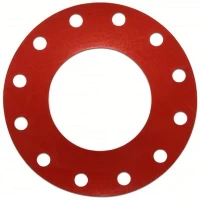


Accurately measuring the size of an oil seal is a crucial step in ensuring its proper fit and function in various applications. As an established oil seals supplier, I understand the significance of precise measurements and the impact they have on the performance of machinery. In this blog post, I will guide you through the process of measuring the size of an oil seal, highlighting the key dimensions and the tools required for accurate measurements.
Understanding the Key Dimensions of an Oil Seal
Before we delve into the measurement process, it's essential to understand the key dimensions of an oil seal. An oil seal typically consists of three main dimensions: the inner diameter (ID), the outer diameter (OD), and the width (W).
- Inner Diameter (ID): This is the measurement of the hole in the center of the oil seal. It is designed to fit snugly around the shaft, preventing the leakage of oil or other fluids.
- Outer Diameter (OD): The outer diameter is the measurement of the outside edge of the oil seal. It is designed to fit into a housing or bore, providing a secure seal between the two components.
- Width (W): The width of the oil seal refers to the thickness of the seal from one side to the other. It is an important dimension that affects the seal's ability to withstand pressure and maintain a proper seal.
Tools Required for Measuring an Oil Seal
To measure an oil seal accurately, you will need the following tools:
- Calipers: A good quality pair of calipers is essential for measuring the inner and outer diameters of the oil seal. Digital calipers are preferred as they provide more accurate readings.
- Micrometer: A micrometer can be used to measure the width of the oil seal with greater precision. It is particularly useful for measuring thin or small oil seals.
- Ruler or Tape Measure: A ruler or tape measure can be used to measure larger oil seals or to get a rough estimate of the dimensions.
Measuring the Inner Diameter (ID) of an Oil Seal
The inner diameter of an oil seal is the most critical dimension as it determines the fit of the seal on the shaft. To measure the inner diameter, follow these steps:
- Clean the Oil Seal: Before taking any measurements, make sure the oil seal is clean and free of any dirt, debris, or oil. This will ensure accurate readings.
- Open the Calipers: Open the calipers wide enough to fit inside the oil seal. Make sure the jaws of the calipers are parallel to each other.
- Insert the Calipers: Carefully insert the calipers into the oil seal, making sure the jaws are centered on the inner diameter. Gently close the calipers until they touch the inner surface of the seal.
- Read the Measurement: Read the measurement on the calipers. Make sure to record the measurement in millimeters or inches, depending on your preference.
- Take Multiple Measurements: To ensure accuracy, take multiple measurements at different points around the inner diameter of the oil seal. This will help to account for any variations in the seal's shape or size.
Measuring the Outer Diameter (OD) of an Oil Seal
The outer diameter of an oil seal is important as it determines the fit of the seal in the housing or bore. To measure the outer diameter, follow these steps:


- Clean the Oil Seal: As with measuring the inner diameter, make sure the oil seal is clean and free of any dirt, debris, or oil.
- Open the Calipers: Open the calipers wide enough to fit around the outside of the oil seal. Make sure the jaws of the calipers are parallel to each other.
- Place the Calipers: Place the calipers around the oil seal, making sure the jaws are centered on the outer diameter. Gently close the calipers until they touch the outer surface of the seal.
- Read the Measurement: Read the measurement on the calipers. Make sure to record the measurement in millimeters or inches, depending on your preference.
- Take Multiple Measurements: To ensure accuracy, take multiple measurements at different points around the outer diameter of the oil seal. This will help to account for any variations in the seal's shape or size.
Measuring the Width (W) of an Oil Seal
The width of an oil seal is an important dimension that affects the seal's ability to withstand pressure and maintain a proper seal. To measure the width, follow these steps:
- Clean the Oil Seal: As before, make sure the oil seal is clean and free of any dirt, debris, or oil.
- Open the Micrometer: Open the micrometer wide enough to fit the oil seal between the anvil and the spindle. Make sure the micrometer is set to zero.
- Place the Oil Seal: Place the oil seal between the anvil and the spindle of the micrometer. Gently turn the thimble until the spindle touches the oil seal.
- Read the Measurement: Read the measurement on the micrometer. Make sure to record the measurement in millimeters or inches, depending on your preference.
- Take Multiple Measurements: To ensure accuracy, take multiple measurements at different points along the width of the oil seal. This will help to account for any variations in the seal's thickness.
Common Mistakes to Avoid
When measuring an oil seal, it's important to avoid the following common mistakes:
- Using the Wrong Tools: Using the wrong tools can lead to inaccurate measurements. Make sure to use the appropriate tools for each dimension.
- Not Cleaning the Oil Seal: Dirt, debris, or oil on the oil seal can affect the accuracy of the measurements. Make sure to clean the oil seal before taking any measurements.
- Not Taking Multiple Measurements: Taking only one measurement can lead to inaccurate results. Make sure to take multiple measurements at different points around the oil seal to account for any variations in the seal's shape or size.
- Not Reading the Measurements Correctly: Make sure to read the measurements on the calipers or micrometer correctly. Double-check the readings to ensure accuracy.
Choosing the Right Oil Seal
Once you have measured the dimensions of the oil seal, it's important to choose the right seal for your application. Consider the following factors when selecting an oil seal:
- Material: Oil seals are available in a variety of materials, including rubber, silicone, and Neoprene Oil Seal. Choose a material that is compatible with the fluid being sealed and the operating conditions.
- Size: Make sure to choose an oil seal with the correct inner diameter, outer diameter, and width. Using the wrong size seal can lead to leakage and other problems.
- Pressure and Temperature Ratings: Consider the pressure and temperature ratings of the oil seal. Make sure the seal can withstand the operating conditions of your application.
- Application: Different applications require different types of oil seals. Consider the specific requirements of your application, such as the type of machinery, the speed of rotation, and the level of vibration.
Conclusion
Accurately measuring the size of an oil seal is essential for ensuring its proper fit and function in various applications. By following the steps outlined in this blog post and using the right tools, you can measure the inner diameter, outer diameter, and width of an oil seal with precision. Remember to take multiple measurements and to choose the right oil seal for your application.
If you are in need of high-quality oil seals, we are here to help. As a leading oil seals supplier, we offer a wide range of seals in various sizes and materials to meet your specific needs. Whether you need a Neoprene Oil Seal, an Oil Seal 20x34x7, or an Oil Seal Washer, we have the products you need.
Contact us today to discuss your requirements and to get a quote. Our team of experts is always ready to assist you in finding the right oil seal for your application.
References
- Handbook of Seal Technology by John H. Bickford
- Sealing Technology Handbook by John R. Neale