


What are the effects of UV radiation on rubber components?
As a supplier of rubber components, I've witnessed firsthand the profound impact that UV radiation can have on these essential parts. Rubber components are used in a wide range of industries, from automotive and aerospace to consumer goods and electronics. Understanding the effects of UV radiation on rubber is crucial for ensuring the longevity and performance of these components.
Chemical Degradation
UV radiation is a form of high - energy electromagnetic radiation. When rubber components are exposed to UV rays, it initiates a series of chemical reactions within the rubber matrix. The most significant effect is the breakage of chemical bonds in the rubber polymer chains. Rubber is typically made up of long - chain polymers, and UV radiation can break these chains, leading to a reduction in molecular weight.
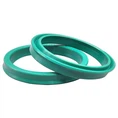
This chemical degradation weakens the overall structure of the rubber. For instance, in Components Of Rubber, various polymers like natural rubber, synthetic rubber (such as styrene - butadiene rubber, SBR), and others are used. UV radiation can target the double bonds present in these polymers, causing them to react with oxygen in the air through a process called photo - oxidation.
The photo - oxidation process forms free radicals, which are highly reactive molecules. These free radicals then react with other molecules in the rubber, further degrading the polymer chains. As a result, the rubber becomes more brittle over time. Brittle rubber is more prone to cracking, which can severely compromise the functionality of the rubber component. For example, in automotive applications, a brittle rubber seal due to UV exposure may no longer provide an effective barrier against water, dirt, and air, leading to potential engine or interior damage.
Physical Changes
In addition to chemical degradation, UV radiation also causes several physical changes in rubber components. One of the most visible changes is discoloration. Rubber that was initially a uniform color may start to fade, turn yellow, or develop dark spots after prolonged UV exposure. This discoloration is not just a cosmetic issue; it can also be an indicator of underlying chemical changes in the rubber.
The physical properties of rubber, such as hardness and elasticity, are also affected. UV - exposed rubber tends to become harder. The increase in hardness is a result of the cross - linking and chain - scission reactions caused by UV radiation. Cross - linking occurs when free radicals cause new bonds to form between polymer chains, making the rubber more rigid. At the same time, chain - scission breaks the existing polymer chains, reducing the rubber's ability to stretch and return to its original shape.
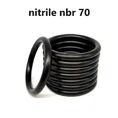
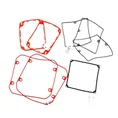
For Rubber Moulded Components, these physical changes can be particularly problematic. A rubber gasket that has become too hard due to UV exposure may not be able to conform to the surfaces it is meant to seal, leading to leaks. Similarly, a rubber o - ring that has lost its elasticity may not provide a proper seal in a hydraulic or pneumatic system, resulting in reduced efficiency or even system failure.
Impact on Different Types of Rubber
Different types of rubber respond differently to UV radiation. Natural rubber, for example, is relatively more susceptible to UV damage compared to some synthetic rubbers. Natural rubber contains double bonds in its molecular structure, which are easily attacked by UV radiation and oxygen. This makes natural rubber components degrade more quickly when exposed to sunlight.
Synthetic rubbers like EPDM (ethylene propylene diene monomer) have better UV resistance. EPDM has a more stable molecular structure with fewer reactive sites for UV - induced reactions. As a result, EPDM rubber components can withstand longer periods of UV exposure without significant degradation. However, even EPDM is not completely immune to UV damage, and over time, it will also experience some degree of chemical and physical changes.
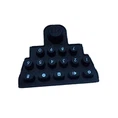
Silicone rubber is another type of rubber that is known for its good UV resistance. It has a unique molecular structure that is less prone to photo - oxidation. Silicone rubber components, such as Rubber Keymat used in electronic devices, can maintain their performance and appearance for a relatively long time under UV exposure. Nevertheless, high - intensity and long - term UV exposure can still cause some minor changes in silicone rubber, such as a slight increase in hardness.
Mitigating the Effects of UV Radiation
As a rubber component supplier, we are well - aware of the challenges posed by UV radiation. To mitigate these effects, we employ several strategies. One common approach is the use of UV stabilizers. These are chemical additives that are incorporated into the rubber during the manufacturing process. UV stabilizers work by absorbing or reflecting UV radiation, preventing it from reaching the rubber polymer chains.
Another strategy is to coat the rubber components with a protective layer. This coating can act as a barrier between the rubber and UV radiation. The coating can be made of materials that are highly resistant to UV, such as certain polymers or ceramics. For outdoor applications, we often recommend using rubber components with a UV - resistant coating to ensure their long - term performance.
Proper storage and installation also play a crucial role in reducing UV damage. Storing rubber components in a cool, dark place away from direct sunlight can significantly extend their lifespan. During installation, we advise customers to position the rubber components in areas where they are less exposed to UV radiation, if possible.
Importance of Understanding UV Effects for Customers
For our customers, understanding the effects of UV radiation on rubber components is essential for making informed decisions. When choosing rubber components for their applications, they need to consider the level of UV exposure the components will face. For outdoor applications, such as in construction or agricultural equipment, they should opt for rubber components with high UV resistance, like EPDM or silicone rubber.
Customers also need to be aware of the maintenance requirements of rubber components exposed to UV. Regular inspections can help detect early signs of UV damage, such as discoloration or cracking. By replacing damaged rubber components in a timely manner, they can prevent more significant problems, such as system failures or safety hazards.


Conclusion
In conclusion, UV radiation has significant effects on rubber components, including chemical degradation, physical changes, and varying impacts on different types of rubber. As a rubber component supplier, we are committed to providing high - quality products that can withstand UV exposure as much as possible. We use advanced technologies and materials to develop rubber components with enhanced UV resistance.
If you are in need of rubber components for your projects, whether it's Components Of Rubber, Rubber Moulded Components, or Rubber Keymat, we invite you to contact us for a detailed discussion. Our team of experts can help you select the most suitable rubber components based on your specific requirements and the UV exposure conditions. We look forward to partnering with you to ensure the success of your projects.
References
- Andrews, B. (2018). "The Chemistry of Rubber Degradation". Journal of Polymer Science.
- Brown, C. (2019). "Physical and Chemical Changes in Rubber under UV Exposure". Rubber Technology Review.
- Clark, D. (2020). "UV Resistance of Different Rubber Types". International Journal of Rubber Applications.