


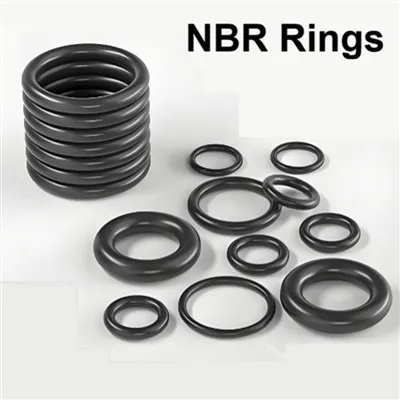


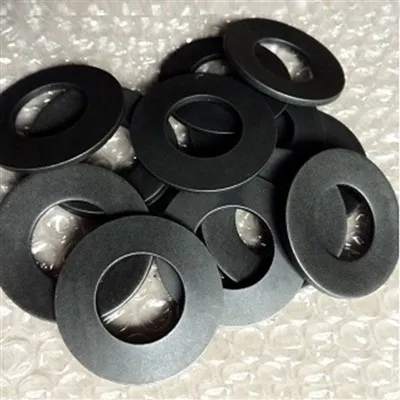
Rubber seals are made of rubber materials. During the production process, due to the combined effects of internal and external factors, the physical and chemical properties and mechanical properties of rubber gradually deteriorate, resulting in the loss of use value. This change is called rubber aging, which manifests itself as cracking, adhesion, hardening, softening, powdering, discoloration, and mold growth on the surface.
So, what are the specific factors?

A. Heat: The increase in temperature causes cracks in the rubber material of the seal ring, produces a chemical oxidation reaction, and accelerates the speed of the rubber oxidation reaction;
B. Light: The shorter the light wave, the greater the energy. High-energy ultraviolet rays have a destructive effect on rubber seals. Ultraviolet rays not only directly cause the breakage and cross-linking of rubber molecular chains, but also the rubber seal ring produces free radicals due to the absorption of light energy, which triggers and accelerates the oxidation chain reaction process.
C. Oxygen: Oxygen in rubber will react with rubber molecules in a free radical chain reaction, causing molecular chain breakage or excessive cross-linking, resulting in changes in the performance of rubber seals. Oxidation is one of the important reasons for rubber aging.
D. Ozone: Ozone has much higher chemical active oxygen and much greater destructive power, and it can also cause molecular chain breakage, but the effect of ozone on rubber varies depending on whether the rubber seal is deformed.
E. Moisture: Rubber seals are prone to damage when exposed to humid air, rain or soaked in water. This is because water-soluble substances and water-soluble lumps in rubber are extracted and dissolved by water.
F. Mechanical stress: Under repeated mechanical stress, the molecular chain of the rubber seal will break, generate free radicals, and trigger an oxidation chain reaction. Under stress, it is easy to cause ozone cracking.