




What Is Food-Grade Silicone? A Complete Guide to Safe Silicone Materials for Food and Beverage Applications
[2026-06-21] | By Xiamen Jinshun Sealing Technology Co., Ltd. Annie Xu
Contents
How Food-Grade Silicone Is Manufactured
Key Properties of Food-Grade Silicone
Food-Grade Silicone vs Ordinary Silicone
Benefits for Food and Beverage Applications
Common Food-Grade Silicone Products
FDA, LFGB, and International Certifications
How to Identify Genuine Food-Grade Silicone
Food-grade silicone is a specially formulated silicone elastomer designed for direct and repeated contact with food, beverages, and drinking water. Unlike conventional rubber materials, food-grade silicone is manufactured using high-purity raw materials and undergoes strict testing to ensure it does not release harmful substances into food.
Because of its exceptional temperature resistance, flexibility, chemical stability, and long service life, food-grade silicone has become one of the most trusted materials in food processing equipment, beverage systems, kitchen products, medical devices, and drinking water applications.
Today, food-grade silicone can be found everywhere-from coffee machines and water filtration systems to baby bottle nipples, baking molds, food-grade tubing, and industrial food processing machinery.

Food-grade silicone is typically based on high-purity silicone rubber, also known as VMQ (Vinyl Methyl Silicone Rubber).
The material consists of a unique silicon-oxygen molecular backbone that provides exceptional stability compared with conventional organic rubber materials.
The manufacturing process generally includes:
Step 1: High-Purity Raw Material Selection
Premium silicone polymers are selected and blended with ultra-pure reinforcing fillers such as fumed silica.
Step 2: Compound Formulation
Food-safe additives are incorporated while avoiding harmful substances such as:
- BPA
- Phthalates
- Heavy metals
- Latex
- PVC fillers
Step 3: Molding or Extrusion
The silicone compound is processed through:
- Compression molding
- Injection molding
- Liquid Silicone Rubber (LSR) molding
- Silicone tubing extrusion
Step 4: High-Temperature Curing
The material undergoes vulcanization and post-curing processes to remove residual volatile compounds and ensure long-term stability.
The result is a clean, odorless, non-toxic silicone material suitable for direct food contact.
Exceptional Temperature Resistance
One of silicone's biggest advantages is its ability to maintain performance across extreme temperatures.
| Property | Typical Performance |
|---|---|
| Low Temperature Resistance | -60°C |
| Continuous Working Temperature | +200°C to +230°C |
| Short-Term Peak Temperature | Up to +250°C |
| Freezer Safe | Yes |
| Microwave Safe | Yes |
| Oven Safe | Yes |
Unlike many plastics, food-grade silicone does not become brittle in freezing conditions or soften excessively under heat.
Excellent Chemical Stability
Food-grade silicone is highly resistant to:
- Water
- Food acids
- Vegetable oils
- Alcohols
- Ozone
- UV exposure
It does not react with food ingredients and does not absorb odors or flavors.
This makes it ideal for beverage dispensing systems, food transfer tubing, and drinking water equipment.
Superior Flexibility
Food-grade silicone remains flexible throughout its temperature range.
Benefits include:
- Easy installation
- Reliable sealing performance
- Excellent compression recovery
- Resistance to cracking
Long Service Life
Compared with many conventional elastomers, food-grade silicone offers:
- Excellent aging resistance
- UV resistance
- Ozone resistance
- Weather resistance
This significantly reduces replacement frequency and maintenance costs.
| Feature | Food-Grade Silicone | Standard Silicone |
|---|---|---|
| Food Contact Safe | Yes | Not Always |
| FDA Compliant | Yes | Usually No |
| LFGB Certified | Optional | Rare |
| Odorless | Yes | May Have Odor |
| Toxic Additives | None | Possible |
| Drinking Water Applications | Suitable | Not Recommended |
| Medical Applications | Available | Limited |
While both materials share similar physical properties, only food-grade silicone undergoes testing and certification for food-contact safety.
Safe and Non-Toxic
Food-grade silicone contains no:
- BPA
- BPS
- Phthalates
- Latex
- Heavy metals
It will not contaminate food, beverages, or drinking water.
Easy to Clean
Its naturally non-stick surface reduces residue buildup and simplifies cleaning.
Many food-grade silicone products are:
- Dishwasher safe
- Steam sterilizable
- Autoclavable
Durable and Reusable
Unlike disposable plastic products, food-grade silicone can often be reused thousands of times without losing performance.
This reduces:
- Waste generation
- Operating costs
- Environmental impact
Resistant to Microbial Growth
The non-porous surface helps prevent the accumulation of:
- Bacteria
- Mold
- Fungi
making it suitable for hygienic environments.
Food Processing Equipment
Food-grade silicone components are widely used in:
- Filling machines
- Food mixers
- Beverage dispensers
- Packaging equipment
- Dairy processing systems
Food-Grade Silicone Tubing
Food-grade silicone tubing is commonly used for:
- Beverage transfer
- Water purification systems
- Coffee machines
- Dairy processing
- Brewing equipment
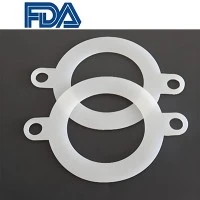
Food-Grade Silicone O-Rings and Gaskets
Silicone seals help maintain sanitary conditions in:
- Water filters
- Beverage equipment
- Food machinery
- Coffee makers
- Drinking water systems
Kitchenware Products
Popular examples include:
- Baking molds
- Silicone spatulas
- Cooking utensils
- Baking mats
- Ice trays
- Food storage containers
Baby Products
Food-grade silicone is widely used in:
- Bottle nipples
- Pacifiers
- Teething toys
- Feeding spoons
because of its softness and safety.
When sourcing food-grade silicone products, buyers should verify compliance with internationally recognized standards.
FDA Compliance
FDA 21 CFR 177.2600 regulates rubber articles intended for repeated food contact.
FDA-compliant silicone is widely accepted throughout North America and many international markets.
LFGB Certification
LFGB is one of the strictest food-contact standards globally.
Products that pass LFGB testing demonstrate:
- Low migration levels
- High purity
- Excellent food safety performance
Many premium European buyers specifically require LFGB-certified silicone.
Additional Certifications
Depending on the application, silicone products may also comply with:
| Certification | Purpose |
|---|---|
| FDA | Food Contact |
| LFGB | European Food Contact |
| WRAS | Drinking Water |
| NSF | Water Systems |
| REACH | Chemical Safety |
| RoHS | Environmental Compliance |
| USP Class VI | Medical Applications |
| ISO 10993 | Biocompatibility |
When evaluating suppliers, look for:
Certification Reports
Request:
- FDA reports
- LFGB reports
- REACH reports
- RoHS reports
Odor Test
High-quality food-grade silicone should be virtually odorless.
Appearance
Premium silicone typically has:
- Smooth surfaces
- Uniform color
- No visible contamination
Compression Recovery
Quality silicone quickly returns to its original shape after deformation.
Since 2002, Xiamen Jinshun Sealing Technology Co., Ltd. has specialized in manufacturing custom silicone sealing products for food, beverage, drinking water, and industrial applications.
Our capabilities include:
- Food-grade silicone tubing
- Silicone O-rings
- Silicone gaskets
- RO membrane seals
- Silicone plugs
- Custom molded silicone parts
Manufacturing Advantages
✔ ISO 9001:2015 Certified
✔ ISO 14001:2015 Certified
✔ FDA & LFGB Material Options
✔ ROHS & REACH Compliant
✔ OEM & ODM Support
✔ Custom Colors, Sizes & Hardness
✔ Rapid Prototype Development
✔ Global Export Experience
Is food-grade silicone safe for drinking water?
Yes. Properly certified food-grade silicone is widely used in drinking water systems, filtration equipment, and beverage dispensing systems.
What temperature can food-grade silicone withstand?
Most food-grade silicone operates continuously between -60°C and +230°C, with short-term exposure up to approximately 250°C.
Does food-grade silicone contain BPA?
No. Genuine food-grade silicone is BPA-free and does not contain phthalates or other common plastic additives.
What is the difference between FDA and LFGB silicone?
Both are food-safe. However, LFGB testing is generally considered more stringent regarding migration limits and material purity.
Can food-grade silicone be sterilized?
Yes. Many food-grade silicone products can be sterilized through autoclaving, steam cleaning, gamma radiation, or chemical disinfection.
How long does food-grade silicone last?
Depending on operating conditions, food-grade silicone can remain functional for many years without significant degradation.
Request A Custom Food-Grade Silicone Solution
Looking for a reliable Food-Grade Silicone Manufacturer in China?
Whether you need food-grade silicone tubing, FDA silicone gaskets, custom silicone O-rings, beverage system seals, or OEM molded silicone components, Jinshun Sealing can help.
Our engineering team provides fast technical support, material selection guidance, prototype development, and mass production services for global food equipment manufacturers, water treatment companies, beverage brands, and OEM buyers.
Contact us today for free samples, material recommendations, and a customized quotation.