



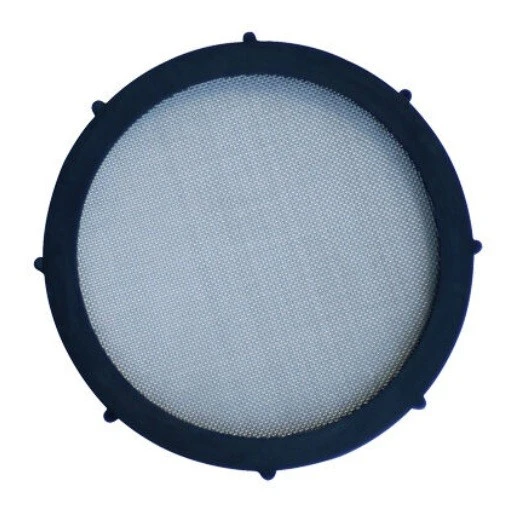
Mesh Screen Gasket Manufacturer | Custom Rubber and Metal Mesh Seals
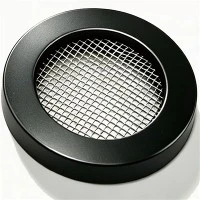
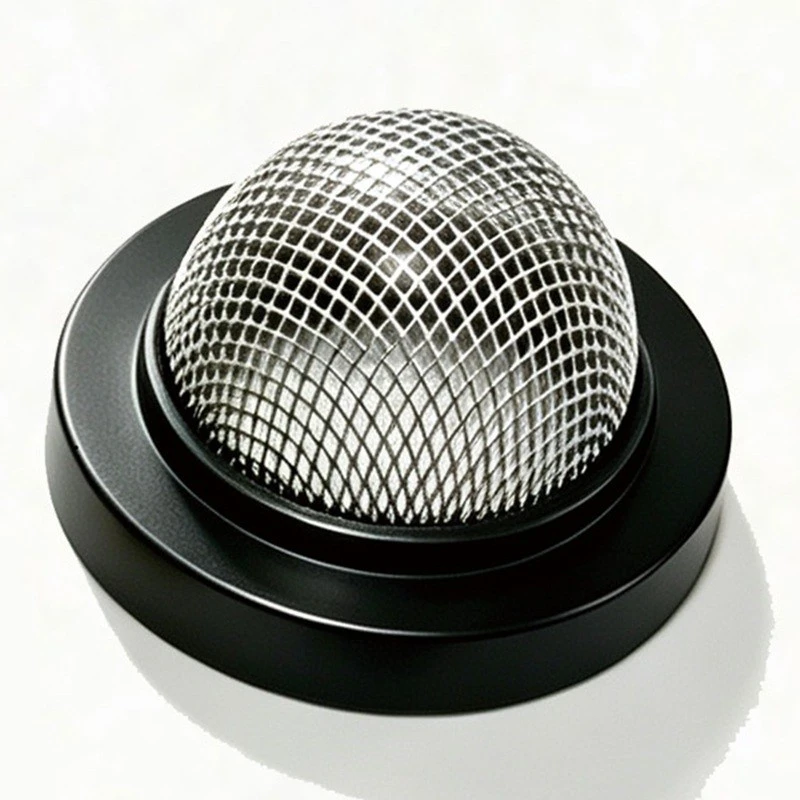
A mesh screen gasket combines a sealing gasket with an integrated metal mesh to retain particles or screen fluid within a fluid-handling assembly. The gasket material seals the mating surfaces, while the mesh opening controls the size of particles that can pass through, depending on the mesh design and operating conditions.
Xiamen Jinshun Sealing Technology Co., Ltd. manufactures custom screen gaskets using materials such as EPDM, silicone, FKM, PTFE, and BUNA-N (NBR), with stainless steel or specialty alloy mesh inserts available for specified applications. Outside diameter (OD), inside diameter (ID), thickness, mesh opening, hardness, and color can be discussed according to your drawings and technical requirements.
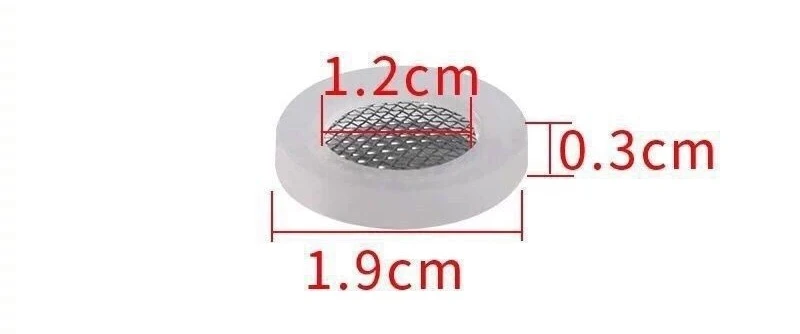
What Is a Mesh Screen Gasket?
A mesh screen gasket is a sealing component with a woven wire mesh incorporated into the gasket structure. It is used in assemblies where the design needs both a sealing interface and a screen to help control particles or debris in a fluid path.
Unlike a standard rubber gasket, a mesh screen gasket must be specified by two sets of requirements: the gasket's sealing properties and the mesh's screening characteristics. A gasket that fits correctly may still fail to meet the application requirements if the mesh opening, wire material, or flow resistance is unsuitable.
For manufacturers of water purifiers, shower systems, faucets, water meters, valves, and other fluid-handling equipment, these details should be considered during product development.
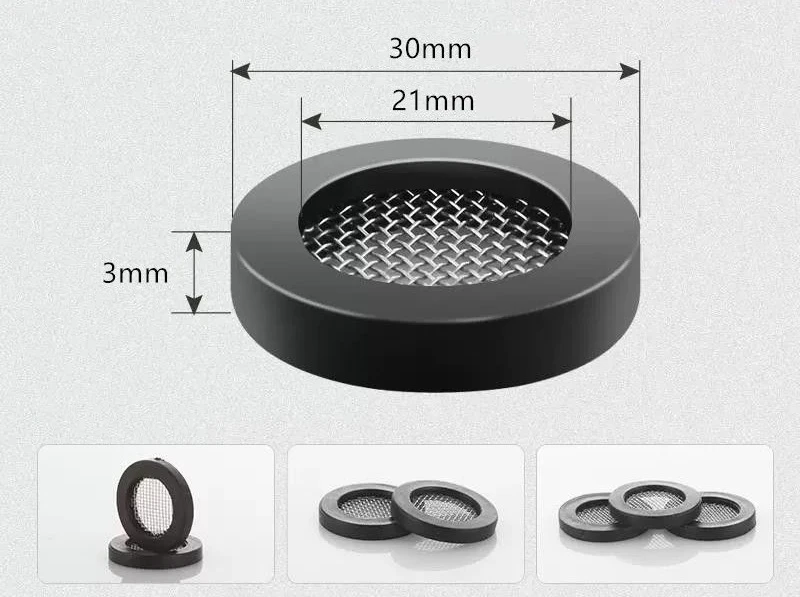
Mesh Screen Gasket Materials
Material selection depends on the fluid, operating temperature, pressure, cleaning chemicals, and expected service life. The rubber or polymer gasket and the metal mesh must both be compatible with the application.
| Component | Available material options | Selection notes |
|---|---|---|
| Gasket body | EPDM | Often considered for water and suitable hot-water applications; confirm the exact compound and temperature limits. |
| Gasket body | Silicone | Useful where flexibility and temperature performance are required; the grade must suit the fluid and service conditions. |
| Gasket body | FKM | Often selected for applications requiring resistance to certain oils, fuels, or chemicals. Compatibility depends on the specific media and compound. |
| Gasket body | PTFE | Offers broad chemical resistance; gasket design must account for its mechanical behavior and sealing requirements. |
| Gasket body | BUNA-N (NBR) | Commonly used where oil resistance is needed; confirm suitability for the intended water or chemical contact. |
| Screen mesh | 304 stainless steel | A general-purpose stainless steel option for suitable operating environments. |
| Screen mesh | 316 stainless steel | Often selected for improved corrosion resistance compared with 304 in many environments. |
| Screen mesh | 316L stainless steel | A low-carbon stainless steel option for applications with specific corrosion or fabrication requirements. |
| Screen mesh | Hastelloy | A specialty alloy option for certain demanding chemical environments; the exact alloy must be specified. |
The gasket compound and mesh alloy should be selected together. For example, choosing 316L stainless steel mesh does not automatically make the complete gasket suitable for potable water, food contact, or every chemical environment. The complete material combination and its compliance documentation must be checked for the intended use.
Mesh Size, Aperture, and Filtration Requirements
Wire mesh is commonly identified by its mesh count. A 20-mesh screen generally has 20 wires per inch in each direction, creating a square woven pattern. A 40-mesh screen has more wires per inch, so its openings are generally smaller when wire diameter and weave are comparable.
However, mesh count alone does not establish the exact particle-retention size. Wire diameter, weave type, aperture dimensions, and the test method all affect screening performance.
| Mesh specification | What it tells you | What to confirm |
|---|---|---|
| 20 mesh | A relatively open mesh compared with higher mesh counts of a comparable wire design | Wire diameter, clear aperture, and required flow rate |
| 40 mesh | More wires per inch than 20 mesh, generally producing smaller openings for comparable wire designs | Actual opening size and allowable pressure drop |
| 100 mesh | A finer mesh than 40 mesh under comparable construction conditions | Aperture, particle-retention target, and clogging risk |
| Custom mesh | A selected wire count, weave, and wire diameter for the application | Mesh alloy, aperture tolerance, retention rating, and test requirements |
| Fine-screen specification | A supplied reference specification identifies a configuration described as 10 μm retention and 200 × 1150 wires | Exact weave, opening dimensions, and verified retention performance before use |
Important: Do not treat mesh count as a direct conversion to microns. If your design requires a specific filtration rating, provide the target aperture or particle-retention requirement and ask for confirmation of the proposed mesh construction. A nominal 10 μm specification should not be interpreted as a verified absolute filtration rating unless the test method and performance data support that claim.
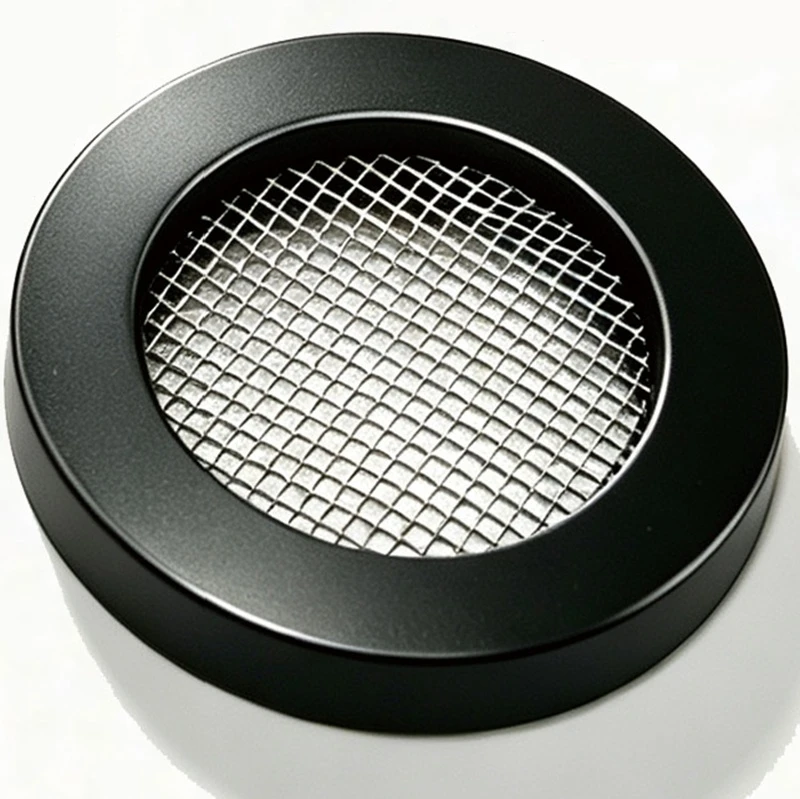
Custom Mesh Screen Gasket Specifications
Jinshun Sealing can discuss custom mesh screen gaskets based on customer drawings, samples, or application specifications. Final manufacturability depends on the selected material combination, dimensions, mesh construction, and required tolerances.
| Parameter | Customization options | Information to provide |
|---|---|---|
| Outside diameter (OD) | Custom | Drawing or nominal dimension and tolerance |
| Inside diameter (ID) | Custom | Opening size and tolerance |
| Gasket thickness | Custom | Required thickness and allowable variation |
| Mesh opening | Custom | Target aperture or filtration requirement |
| Mesh count | Custom | Mesh number or specified wire configuration |
| Mesh material | 304 SS, 316 SS, 316L SS, Hastelloy | Exact grade or alloy requirement |
| Gasket material | EPDM, silicone, FKM, PTFE, NBR | Media compatibility and service conditions |
| Hardness | Custom, where applicable to the selected material | Target Shore hardness and tolerance |
| Color | Custom, where applicable | Color reference or sample |
| Quantity | Confirm with supplier | Prototype, trial order, and forecast volume |
For an accurate quotation, include a dimensioned drawing, material requirements, mesh specification, order quantity, and application details. If you do not have a complete drawing, a sample and a description of the operating conditions can help establish the initial specification.
Need a custom mesh screen gasket? Send your OD, ID, thickness, mesh requirements, and preferred gasket material to Jinshun Sealing for a technical review and quotation.
Applications of Mesh Screen Gaskets
Mesh screen gaskets can be considered for equipment that requires a seal and an integrated screen in the same assembly. The final design should be evaluated against flow, pressure, temperature, media compatibility, and maintenance requirements.
Typical application areas include:
- Water purification systems: Screening and sealing components in suitable filtration equipment and fluid connections.
- Showerheads and shower systems: Compact screening components designed around the available installation space and water-flow requirements.
- Kitchen and bathroom faucets: Gasket and mesh assemblies for specified water passages and connection points.
- Water meters: Sealing and screening components for suitable meter designs, subject to the manufacturer's flow and measurement requirements.
- Valves and pipe fittings: Components that combine a sealing interface with debris screening where the equipment design calls for it.
- Industrial fluid-handling equipment: Custom seals for specified liquid systems, provided the gasket and mesh materials are compatible with the process fluid.
A mesh screen gasket is not automatically a substitute for a dedicated filter cartridge or a tested filtration system. Where particle removal is a safety, water-quality, or equipment-protection requirement, the complete assembly should be validated under the intended operating conditions.
Quality, Material Compliance, and Technical Review
Xiamen Jinshun Sealing Technology Co., Ltd. focuses on the research, development, and manufacturing of sealing components. The company operates under ISO 9001:2015 and ISO 14001:2015 management systems.
For procurement and quality teams, material selection and documentation should be matched to the finished component and its intended use. Depending on the application, buyers may need material declarations, dimensional inspection records, hardness data, batch traceability, or supporting compliance documents.
RoHS and REACH relate to different chemical and regulatory requirements; neither alone demonstrates that a mesh screen gasket is suitable for potable water or food contact. If the gasket will be used in drinking-water equipment, confirm the exact compound, mesh material, applicable approval requirements, and supporting documents before placing a production order.
For OEM and private-label projects, it is also useful to agree on the approved drawing revision, material specification, inspection criteria, packaging requirements, and change-control process before mass production.
Request A Quote For Custom Mesh Screen Gaskets
If you are sourcing mesh screen gaskets for water purifiers, shower systems, faucets, water meters, valves, or other fluid-handling products, Jinshun Sealing can review your drawing or sample and discuss suitable gasket and mesh options.
To help us assess your requirements, please provide:
- OD, ID, thickness, and dimensional tolerances
- Gasket material and required hardness
- Mesh alloy, mesh count, aperture, or filtration target
- Fluid type, operating temperature, and pressure
- Annual or trial-order quantity
- Required testing, certification, or inspection documents
Contact Xiamen Jinshun Sealing Technology Co., Ltd. at wb6@jinshunxm.com to discuss your mesh screen gasket project and request a quotation.
Frequently Asked Questions
1. What is the difference between a mesh screen gasket and a standard rubber gasket?
A standard rubber gasket provides a seal between mating surfaces. A mesh screen gasket combines that sealing function with an integrated wire mesh for screening. Its design must meet both sealing and mesh-performance requirements.
2. Can I order a custom mesh screen gasket for a water purifier or faucet?
Yes, custom dimensions and material options can be discussed. Provide the OD, ID, thickness, mesh opening, gasket material, operating conditions, and required quantity so the specification can be reviewed.
3. How do I choose the right mesh size for a water filtration application?
Start with the required aperture or particle-retention target, then check wire diameter, mesh construction, flow rate, and acceptable pressure drop. Mesh count alone does not confirm an exact micron rating.