



How to Maintain Silicone Products Properly: A Practical Guide for Long-Term Performance
Products Description
Silicone products are everywhere-from food-grade seals and medical components to industrial gaskets and custom silicone parts. They're flexible, heat-resistant, non-toxic, and incredibly durable.
However, silicone only performs at its best when it's used and maintained correctly.
As a China Custom Silicone Product Supplier, Xiamen Jinshun Sealing Technology Co., Ltd. works closely with global OEM and wholesale buyers. Based on real manufacturing experience, this guide explains how to maintain silicone products properly, reduce premature aging, and extend service life-whether you're using silicone O-rings, seals, tubes, or molded components.
This article focuses on practical, easy-to-follow rules, not textbook theory.
Table of Contents
- Why Silicone Maintenance Matters in Industrial and Daily Use
- Key Properties of Silicone You Should Understand
- The 5 Golden Rules for Silicone Use and Maintenance
3.2 Heat and Temperature Control
3.5 Troubleshooting Common Silicone Issues
4. Recommended Silicone Operating Parameters (Table)
5. FAQs About Silicone Maintenance
6. Why Work with a Professional Custom Silicone Manufacturer
Silicone is often described as "maintenance-free," but in real-world applications-especially food-grade, medical, and industrial sealing systems-poor handling can still lead to:
- Surface degradation
- Loss of elasticity
- Odor absorption
- Deformation
- Shortened service life
For custom silicone products, proper maintenance directly affects performance stability, hygiene compliance, and replacement costs. Good habits can easily extend silicone lifespan by 30–50%, based on typical industrial use data.

Understanding silicone's natural characteristics helps you use it correctly.
Flexibility
Silicone can bend, compress, and recover without cracking. This makes it ideal for:
- Silicone O-rings
- Y-seals
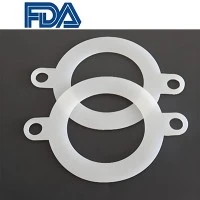
- Gaskets
- RO membrane seals
But long-term compression without recovery can still cause deformation.
Heat Resistance
Most standard silicone rubber remains stable between -60°C to +200°C, with high-temperature grades reaching 250–300°C.
Non-Toxic & Food Safe
FDA-grade silicone does not release harmful substances, which is why it's widely used in:
- Food & beverage systems
- Medical devices
- Cosmetic production lines
3.1 Cleaning and Daily Care
Gentle cleaning is critical. Silicone does not like harsh chemicals.
Best practices:
- Use mild detergent and warm water
- Avoid abrasive brushes or steel wool
- Do not use alcohol-based or solvent cleaners unless specified
Application examples:
- Silicone O-rings & seals: Rinse after contact with oils or food media
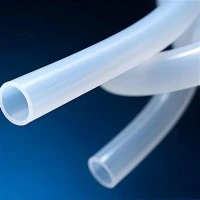
- Silicone tubes: Flush with approved cleaning solutions, then air-dry
3.2 Heat and Temperature Control
Silicone handles heat well-but abuse still causes aging.
Key rules:
- Avoid direct flame or prolonged contact with hot metal
- Do not exceed the material's rated temperature
- Avoid sudden hot-to-cold or cold-to-hot transitions
For example, removing a hot silicone seal and immediately washing it in cold water can lead to micro-cracks over time.
3.3 Proper Storage Methods
Improper storage is one of the most common causes of silicone deformation.
Storage tips:
- Store flat or in natural shape
- Avoid stacking heavy objects on silicone parts
- Keep away from sharp edges and tension
For custom silicone O-rings:
- Store in sealed bags
- Avoid stretching during storage
- Keep away from UV and ozone sources
3.4 Stain and Odor Prevention
Silicone is non-porous, but strong pigments and oils can still cause staining.
Prevention strategies:
- Clean immediately after use
- Lightly oil food-contact silicone before first use
- Avoid long-term exposure to strong dyes or flavors
Removing stains or odors:
- Vinegar + water soak (1:1)
- Baking soda paste
- Lemon juice + sunlight
3.5 Troubleshooting Common Silicone Issues
| Issue | Cause | Practical Solution |
|---|---|---|
| Odor absorption | Food oils or chemicals | Baking soda soak or sunlight |
| Discoloration | Pigments, heat | Baking soda or peroxide solution |
| Mold growth | Moist storage | Vinegar wash + full drying |
| Deformation | Compression storage | Reheat gently and reshape |
| Parameter | Typical Range |
|---|---|
| Temperature resistance | -60°C to +200°C |
| Short-term heat resistance | Up to 250°C |
| Cleaning pH range | 5–9 |
| Recommended compression | ≤25% for O-rings |
| Max silicone oil additive | ≤5–10% (manufacturing stage) |
Values vary by formulation. Custom compounds available upon request.
Q1: How long do silicone products usually last?
With proper use and storage, silicone parts can last 5–10 years, even longer in stable industrial environments.
Q2: Can silicone be sterilized repeatedly?
Yes. FDA-grade silicone tolerates repeated boiling, steam, and chemical sterilization within rated limits.
Q3: Does silicone absorb water or oil?
Silicone is non-porous, but surface residues can cause odor or staining if not cleaned promptly.
Q4: Is deformation permanent?
Light deformation can often be corrected with gentle heat. Severe compression damage is irreversible.
At Xiamen Jinshun Sealing Technology Co., Ltd., we don't just manufacture silicone parts-we help customers design for durability.
- FDA-grade and industrial-grade silicone compounds
- Custom O-rings, seals, gaskets, tubes, molded parts
- Stable quality for OEM & ODM projects
- Export experience serving global brands
Our engineering team optimizes material selection, hardness, compression ratio, and aging resistance-so maintenance becomes easier from day one.
Looking for reliable custom silicone products that last longer and perform better?
👉 Contact Xiamen Jinshun Sealing Technology Co., Ltd. today
👉 Get expert support for Custom Silicone Products, FDA Silicone O-rings, and OEM sealing solutions
👉 Ideal for brand owners, distributors, and wholesale buyers
Website: https://www.jinshunsealing.com/
Let's build silicone parts that stand the test of time.