



Difference Between Shore A and Shore D Hardness
A Practical Guide for Selecting the Right Material for Custom O-Rings
Introduction
When choosing materials for custom O-rings, seals, and rubber components, hardness is one of the most important parameters engineers look at. Two terms you'll see repeatedly on drawings and datasheets are Shore A and Shore D hardness.
At first glance, they sound similar. In reality, they measure very different material behaviors. Understanding the difference between Shore A and Shore D helps you avoid sealing failures, premature wear, and costly redesigns-especially in automotive, industrial, hydraulic, and OEM applications.
This guide explains the difference in plain language, with real examples and practical selection advice.
Table of Contents
- What Is Shore Hardness?
- What Is Shore A Hardness?
- What Is Shore D Hardness?
- Shore A vs. Shore D: Key Differences
- Why Hardness Matters for Custom O-Rings
- Typical Shore A and Shore D Applications
- Common Misunderstandings About Shore Hardness
- FAQs
- Call to Action
Shore hardness, also called durometer hardness, measures how resistant a material is to indentation. In simple terms, it tells you how soft or hard a material feels when pressed.
The test is performed using a durometer, which presses a standardized indenter into the material with a defined force. The deeper the indentation, the softer the material-and the lower the Shore value.
- Higher Shore number = harder material
- Lower Shore number = softer, more flexible material
Shore hardness testing is standardized, making it reliable across industries and suppliers.

Shore A is used for soft to semi-rigid materials, especially elastomers.
Materials Commonly Measured with Shore A
- Rubber O-rings
- NBR, FKM, EPDM, silicone seals
- Gaskets, hoses, flexible polymers
How Shore A Is Measured
- Indenter: blunt 35° conical tip
- Spring force: 822 g (8.05 N)
- Typical range: 10 to 90 Shore A
Real-World Examples
- Rubber bands: ~20 Shore A
- Automotive tires: ~60–70 Shore A
- Standard O-rings: ~70 Shore A
For most custom O-rings, Shore A is the correct hardness scale.
Shore D measures hard plastics and rigid polymers.
Materials Commonly Measured with Shore D
- Nylon, ABS, polycarbonate
- Rigid polyurethane
- Hard plastic housings
How Shore D Is Measured
- Indenter: sharp 30° conical tip
- Spring force: 4536 g (44.5 N)
- Typical range: 10 to 90 Shore D
Real-World Examples
- Hard hats
- Plastic cutting boards
- Shopping cart wheels
Shore D materials are far stiffer than typical rubber seals.
| Item | Shore A | Shore D |
|---|---|---|
| Material Type | Rubber, elastomers, soft polymers | Hard plastics, rigid polymers |
| Flexibility | High | Low |
| Indenter Shape | Blunt 35° cone | Sharp 30° cone |
| Spring Force | 822 g (8.05 N) | 4536 g (44.5 N) |
| Typical Products | O-rings, gaskets, seals | Plastic housings, rigid parts |
| Custom O-Rings Use | Yes (most common) | Rare |
Important note:
A material rated 70 Shore A is not equivalent to 70 Shore D. They are different scales and cannot be directly compared.
For custom O-rings, hardness directly affects:
- Sealing performance
- Compression set
- Extrusion resistance
- Assembly ease
- Service life
Typical O-Ring Hardness Choices
| Application | Recommended Hardness |
|---|---|
| Static sealing | 60–70 Shore A |
| Dynamic sealing | 70–75 Shore A |
| High pressure | 80–90 Shore A |
| Soft, low-force sealing | 50–60 Shore A |
Choosing the wrong hardness can cause leakage, rapid wear, or seal failure, even if the material compound is correct.
Shore A Applications
- Automotive O-rings and oil seals
- Hydraulic and pneumatic seals
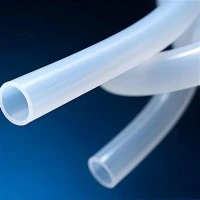
- Medical tubing and elastomeric parts
- Consumer rubber products
Shore D Applications
- Structural plastic components
- Safety equipment
- Industrial housings
- Rigid machine parts
For custom O-rings manufacturers, Shore A is by far the most commonly specified scale.
Myth 1: Higher hardness is always better
Reality: Too hard can reduce sealing ability and cause leakage.
Myth 2: Shore A and Shore D values are interchangeable
Reality: They measure different material classes and are not convertible.
Myth 3: One hardness fits all applications
Reality: Pressure, temperature, speed, and media all influence the ideal hardness.
Q1: What Shore hardness is best for standard O-rings?
Most standard O-rings use 70 Shore A because it balances flexibility and durability.
Q2: Can rubber be measured in Shore D?
Only very hard rubber compounds approach Shore D, but most elastomers are tested in Shore A.
Q3: Does hardness affect chemical resistance?
Indirectly. Hardness affects deformation and sealing behavior, while chemical resistance depends mainly on material type.
Q4: Can hardness be customized?
Yes. A professional custom O-rings manufacturer can compound materials from 50 to 90 Shore A.
Choosing the right hardness is just as important as choosing the right material.
If you're sourcing custom O-rings, need help selecting Shore A hardness, or want to optimize sealing performance for your application:
👉 Visit https://www.jinshunsealing.com/
👉 Share your drawings, pressure, temperature, and media
👉 Get expert material and hardness recommendations
Xiamen Jinshun Sealing Technology Co., Ltd.
Your reliable partner for custom O-rings, rubber seals, and engineered sealing solutions.