


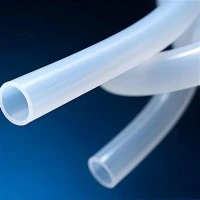


Natural rubber is a high molecular weight organic compound, which is processed by coagulation, vulcanization and other processes from the natural latex secreted by rubber trees. Natural rubber has good elasticity, tensile strength and wear resistance, and is an important material.
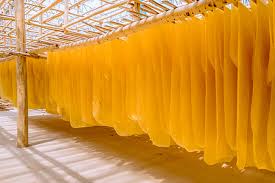
Natural rubber has high elasticity and slight plasticity at room temperature, with excellent mechanical strength, low hysteresis loss, and low heat generation during multiple deformations. Therefore, its bending and flexibility are also good, and because it is non-polar rubber, its electrical insulation performance is good.
Due to the presence of unsaturated double bonds, natural rubber is a substance with strong chemical reactivity. Light, heat, ozone, radiation, bending deformation, and metals such as copper and manganese can all promote the aging of rubber. Inadequate aging resistance is the fatal weakness of natural rubber. However, natural rubber with added anti-aging agents may not show much change even after being exposed to sunlight for two months, and can still be used normally after being stored in a warehouse for three years.
Natural rubber has good alkali resistance, but is not resistant to strong acids. Due to the non-polar nature of natural rubber, it can only withstand some polar solvents and swells in non-polar solvents. Therefore, its oil and solvent resistance are poor. Generally speaking, hydrocarbons, halogenated hydrocarbons, carbon disulfide, ethers, higher ketones, and higher fatty acids all have a solubility effect on natural rubber, but their solubility is affected by the degree of plasticity, while lower ketones, lower esters, and alcohols are non solvents for natural rubber.