



Is Silicone Safe for People with Latex Allergies?
[2026-02-13] | By Xiamen Jinshun Sealing Technology Co., Ltd. Annie Xu
Introduction
Latex allergies affect millions of people worldwide, especially in medical, food-processing, and consumer product environments. If you're sourcing materials for products that come into contact with skin or drinking water, one question naturally comes up:
Is silicone safe for people with latex allergies?
In most cases, yes - silicone is considered a safe and reliable alternative to natural latex. That's why it has become a preferred material across medical devices, food-grade sealing systems, water filtration components, and custom silicone parts manufacturing.
At Xiamen Jinshun Sealing Technology Co., Ltd. (established in 2002), we manufacture certified custom silicone parts, rubber O-rings, Y-seals, RO membrane seals, silicone gaskets, and silicone tubing for global OEM and ODM clients. This article explains the science, safety data, and practical considerations behind silicone as a latex-free solution.
Table of Contents
- What Causes Latex Allergies?
- What Is Silicone?
- Is Silicone Safe for People with Latex Allergies?
- Can Silicone Cause Skin Reactions?
- Silicone vs Latex: Technical Comparison
- Why Global Brands Choose Custom Silicone Parts
- Our Certifications and Quality Standards
- FAQs
- Contact Our Engineering Team
Natural latex is derived from the sap of the rubber tree. It contains proteins that can trigger allergic reactions. According to medical research, approximately 1–6% of the general population and up to 8–12% of healthcare workers show sensitivity to latex proteins.
Symptoms may include:
- Skin rash or hives
- Itching or redness
- Respiratory irritation
- In severe cases, anaphylaxis
For manufacturers serving food, medical, baby-care, water treatment, or sanitary industries, latex poses regulatory and liability risks.
This is why many OEM buyers switch to latex-free silicone components.
Silicone is a synthetic elastomer made from silicon, oxygen, carbon, and hydrogen. Unlike natural rubber, it does not contain the allergenic proteins found in latex.
It offers:
- Excellent thermal stability
- Chemical resistance
- UV and ozone resistance
- Long-term elasticity
- Food-grade safety compliance
Because of these properties, silicone rubber is widely used in:
- Drinking water systems
- RO membrane seals
- Food equipment gaskets
- Baby product components
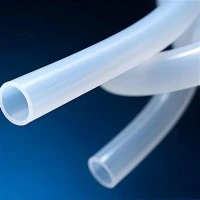
- Medical-grade tubing
- Electronic insulation parts
Short Answer: Yes, in the vast majority of cases.
Silicone is widely recognized as a latex-free and hypoallergenic material. It does not contain natural rubber proteins responsible for latex allergies.
This is why silicone has become the standard material in:
- Medical tubing
- Infant pacifiers
- Food-grade sealing rings
- Water purification O-rings
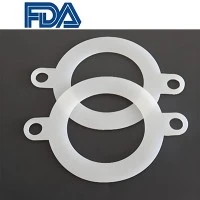
- Sanitary shower gaskets
However, while rare, silicone sensitivity can occur in extremely sensitive individuals. These cases are uncommon and typically related to:
- Additives or pigments
- Improper curing
- Low-quality raw materials
That's why material quality matters.
At Xiamen Jinshun Sealing Technology Co., Ltd., all raw materials comply with:
- ROHS
- REACH
- PAHS
And most finished products are certified by:
- NSF
- FDA
- LFGB
- WRAS
- ACS
- KTW-W270
- UL
This ensures silicone components are safe for food, water, and skin contact applications.
Silicone itself is chemically stable and inert. However, potential irritation may occur if:
- The silicone is improperly cured
- Industrial-grade silicone is used in skin-contact applications
- The user has highly sensitive skin
High-quality medical-grade or food-grade silicone significantly reduces this risk.
In long-term use scenarios, silicone generally performs better than latex because it:
- Does not degrade quickly
- Does not release allergenic proteins
- Resists microbial growth better than natural rubber
| Property | Silicone Rubber | Natural Latex |
|---|---|---|
| Allergenic Proteins | None | Present |
| Temperature Resistance | -60°C to 230°C | -20°C to 80°C |
| UV Resistance | Excellent | Poor |
| Ozone Resistance | Excellent | Poor |
| Durability | Long-term stable | Degrades faster |
| Food-Grade Compliance | Yes (FDA, LFGB) | Limited |
| Elasticity | Moderate | Very high |
| Typical Applications | O-rings, gaskets, RO seals, tubing | Gloves, balloons |
For high-performance industrial and sanitary applications, silicone is typically the safer and more durable choice.
For B2B buyers, safety is only one part of the decision. Performance consistency, certification, and manufacturing control are equally important.
As a Custom Silicone Parts Manufacturer in China since 2002, Xiamen Jinshun Sealing Technology Co., Ltd. provides:
- OEM & ODM silicone component development
- Precision molding for rubber O-rings and Y-seals
- RO membrane seals for water filtration systems
- Silicone tubes for food and medical applications
- Shower gaskets and sanitary sealing solutions
Manufacturing Strengths
- ISO9001:2015 certified quality system
- ISO14001:2015 environmental system
- In-house R&D and tooling
- Advanced compression and injection molding
- Strict material traceability
We are long-term strategic partners to well-known domestic and international enterprises in sanitary, water treatment, electronics, and automotive sectors.
For international distributors and wholesale buyers, we offer:
- Stable bulk production
- Custom compound formulation
- Global compliance documentation
- Fast sampling for new projects
To meet international brand requirements, our silicone rubber products comply with:
- Food and drinking water standards
- EU environmental directives
- US FDA material safety
- WRAS drinking water approval
- NSF potable water certification
This ensures your products can safely enter the European, North American, and Middle Eastern markets.
If you are asking whether silicone is safe for people with latex allergies, the practical answer is:
Yes - when manufactured correctly and certified properly, silicone is a reliable and safe latex alternative.
For B2B product developers, engineers, and sourcing managers, choosing the right custom silicone parts manufacturer makes all the difference.
Material formulation, curing process, certification compliance, and long-term performance testing are what separate low-cost silicone from professional-grade silicone components.
1. Is silicone completely allergy-free?
Silicone does not contain latex proteins and is considered hypoallergenic. Rare sensitivities may occur but are uncommon when using certified food-grade or medical-grade silicone.
2. Is silicone safer than latex for water filtration systems?
Yes. Silicone does not degrade in water and does not release allergenic proteins. It is widely used in RO membrane seals and potable water O-rings.
3. Can silicone be FDA approved?
Yes. Many silicone formulations comply with FDA, LFGB, NSF, and WRAS standards.
4. Is silicone more durable than latex?
In most industrial applications, silicone offers better temperature, UV, and ozone resistance compared to natural latex.
5. Do you offer custom silicone part development?
Yes. We provide full OEM and ODM services including mold design, compound formulation, and compliance certification.
If you are developing latex-free products and need reliable silicone sealing solutions:
- Custom rubber O-rings
- Y-seals and shower gaskets
- RO membrane seals
- Food-grade silicone tubes
- ODM silicone components
Contact Xiamen Jinshun Sealing Technology Co., Ltd. today to request samples, technical drawings review, or bulk pricing.
We welcome global distributors, wholesalers, and OEM brands looking for long-term manufacturing partners.
Let's build safer, certified silicone solutions together.