


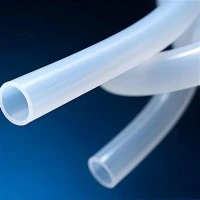

The O-ring is a rubber sealing ring with a circular cross-section-so named due to this circular shape. It is a seal molded into a donut-like form, typically crafted from materials such as rubber, polyurethane, or polytetrafluoroethylene. Thanks to its excellent elasticity, corrosion resistance, and relatively low cost, it is widely used in practical applications.
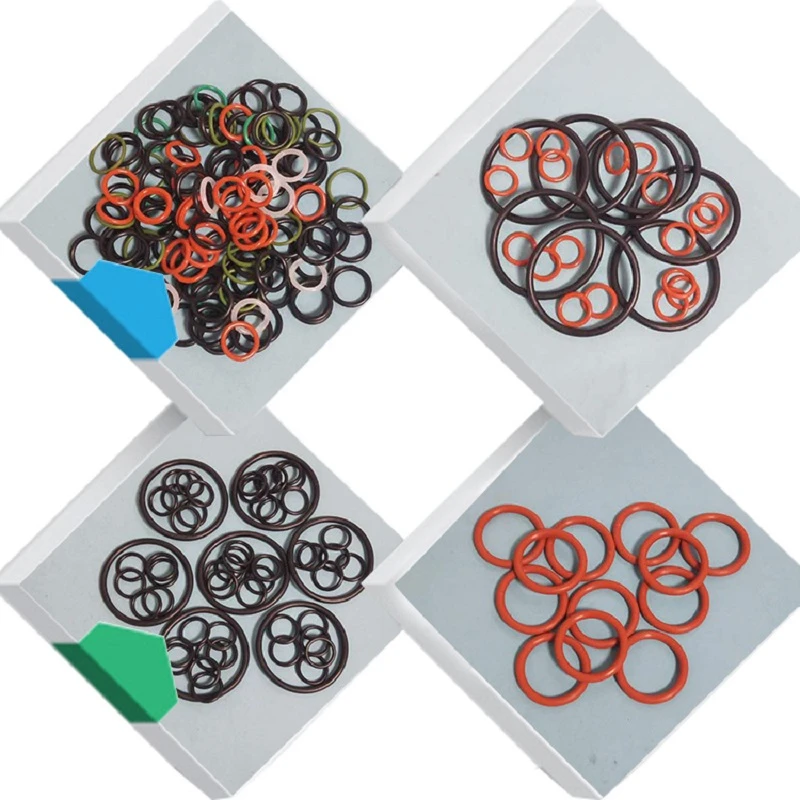
What important role does the O-ring play?
First and foremost, sealing is one of its core functions. It prevents gases, liquids, and other internal substances from seeping out as well as external substances from leaking in at the interface between two components-thereby playing a crucial role in maintaining system stability.
For instance, in the automotive industry (simplified from "automotive manufacturing industry," the standard shorthand in technical contexts), it effectively prevents oil leakage, ensuring the engine operates normally. In machinery manufacturing, it blocks dust, moisture, and other external contaminants from entering the interior of machinery, minimizing equipment damage and malfunctions.
In addition, the O-ring possesses buffering capabilities. It can dampen vibrations, mitigate impacts, and prevent component loosening-thereby enhancing the stability and reliability of the entire system. When used in industrial equipment, it protects machine components from damage, deformation, or even failure caused by long-term friction. This is particularly critical for equipment that requires long-term operation.
Though its structure is simple, the O-ring's functions are highly significant. It not only ensures system stability and sealing performance but also delivers buffering and noise-reduction effects-both of which improve the overall efficiency and reliability of the system.
As a reusable sealing component (more precise than "reusable seal," as O-rings are a specific type of seal), it boasts a long service life. This reduces the frequency of maintenance and replacement, ultimately lowering the overall system costs (plural "costs" is standard in business/technical contexts, as it refers to multiple cost categories: maintenance, replacement, labor, etc.). Furthermore, its production process is relatively straightforward and cost-effective, aligning with the principles of resource conservation and environmental protection.
Despite its small size and simple structure, the O-ring plays an indispensable role. It has become widely used across sectors such as automotive, electronics, and machinery, bringing tangible economic benefits to these industries.