



Greasing gaskets is typically not recommended for most applications. Here's why:
Purpose of Gaskets:
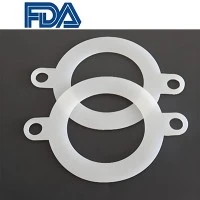
Gaskets are designed to create a seal between two surfaces, preventing the leakage of fluids or gases. They rely on compression to fill imperfections and form a tight seal.
Effect of Grease:
Applying grease or oil to a gasket can compromise its ability to seal effectively. It may cause the gasket to slip out of place during installation or reduce the friction necessary to maintain proper compression.
Material Compatibility:
Certain gasket materials, such as rubber or specific polymers, can degrade when exposed to oils or greases, leading to premature failure.

Exceptions:
There are specific scenarios where a light application of a sealant or anti-seize compound might be recommended, such as:
Metal gaskets (e.g., head gaskets) when a sealant is specified by the manufacturer.
Threaded pipe gaskets where a lubricant or sealant is required to ensure proper seating.
High-temperature applications where a high-temperature anti-seize compound is used.
Follow Manufacturer Guidelines:
Always consult the manufacturer's instructions for the specific gasket and application. If they recommend a sealant or lubricant, use the specified product.
In Summary:
Unless explicitly recommended by the manufacturer, avoid greasing gaskets to ensure a proper seal and prevent potential issues.