


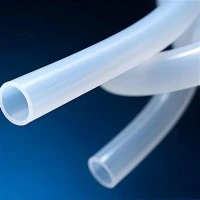

What Is Buna-N Material? (Nitrile Rubber / NBR Explained for Industrial Buyers)
Table of Contents
- What Is Buna-N (NBR)?
- Chemical Composition & Material Characteristics
- Buna-N Material Performance Specifications (Table)
- What Is Buna-N Used For?
- Buna-N vs Viton: What's the Difference?
- Buna-N vs Other Rubber Materials (NR, CR, Silicone, EPDM)
- How to Identify Buna-N Rubber
- Benefits of Buna-N Material
- Limitations of Buna-N Material
- Is Buna-N Safe for Drinking Water Applications?
- FAQs
- Get a Fast ODM/OEM Quote (CTA)
Buna-N, also called Nitrile Rubber (NBR) or Acrylonitrile-Butadiene Rubber, is a high-performance synthetic elastomer known for its:
- Excellent oil & fuel resistance
- Strong mechanical strength
- Durable sealing performance
- Cost-efficient manufacturing
It is one of the most widely used elastomers in the sealing industry and is the go-to material for NBR O-rings, hydraulic seals, gaskets, fuel system components, and industrial rubber parts.
NBR is produced by polymerizing acrylonitrile (ACN) with butadiene.
The ACN content typically ranges from 18% to 50%, and the level of ACN determines the material's performance:
- Higher ACN → Better oil resistance, lower flexibility
- Lower ACN → Better flexibility, lower oil resistance
Buna-N's properties can be adjusted through sulfur curing, peroxide curing, and custom compounding to meet specific industrial requirements.
Key characteristics include:
- Outstanding resistance to petroleum oils & hydrocarbons
- Strong tensile strength (up to 20 MPa depending on grade)
- Good abrasion & wear resistance
- Shore A hardness typically 40–90
- Temperature range: –30°C to +120°C
NBR (Buna-N) Technical Parameters
| Property | Typical Value | Notes |
|---|---|---|
| Temperature Range | –30°C to +120°C | Special grades up to 150°C |
| Hardness (Shore A) | 40–90 | Widely customizable |
| Tensile Strength | 10–20 MPa | Higher with reinforced grades |
| Compression Set | Good | Suitable for O-ring sealing |
| Oil Resistance | Excellent | Best for petroleum-based fluids |
| Fuel Resistance | Excellent | Ideal for automotive systems |
| Water Resistance | Moderate | Not ideal for steam |
| Weather/Ozone Resistance | Poor | Requires additives or coating |
| Chemical Resistance | Good | Except ketones, esters, oxidizers |
| Flexibility | Moderate | Depends on ACN content |
This table helps engineers and procurement teams quickly determine whether NBR is suitable for their project.
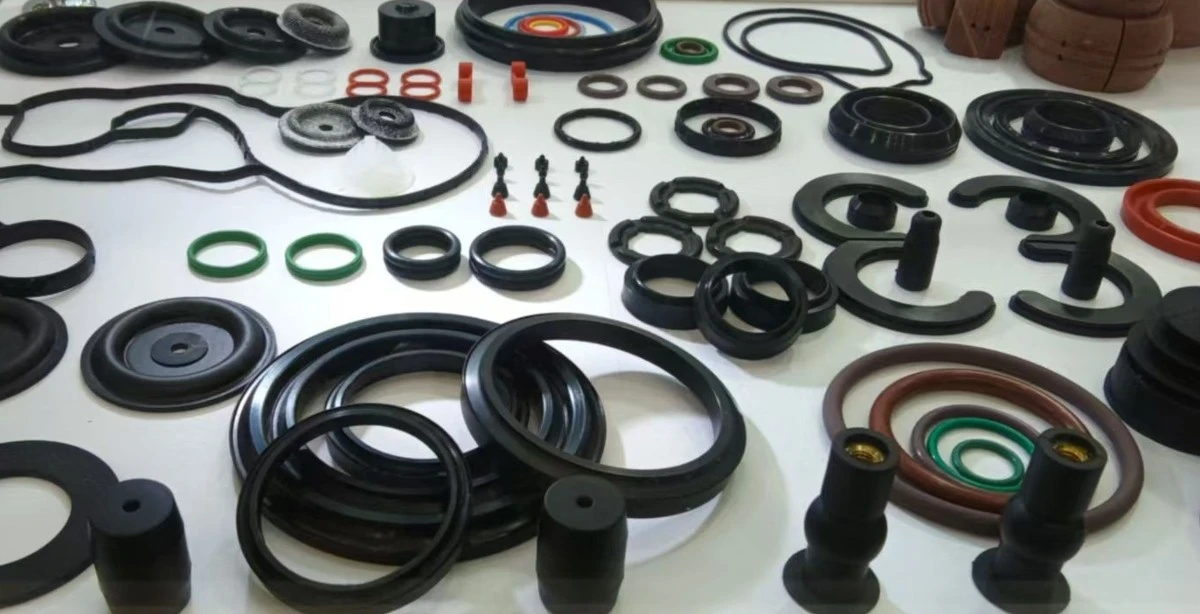
Because of its durability and oil resistance, Buna-N is commonly used in:
Industrial & Mechanical Applications
- NBR O-rings & hydraulic seals
- Fuel & oil system gaskets
- Pump and valve seals
- Rubber hoses & tubing
- Transmission belts
- Cable jacketing
- Industrial machinery components
Automotive Applications
- Fuel line seals
- Carburetor components
- Engine oil system O-rings
- Injector seals
Aerospace & Marine
- Fuel handling seals
- Hydraulic system gaskets
Medical & Laboratory
- Disposable nitrile gloves
- Protective equipment & rubber components
Other Uses
- Adhesives & binders
- Synthetic leather
- Roller coverings
NBR is extremely versatile and widely used across manufacturing industries.
| Feature | Buna-N (NBR) | Viton (FKM) |
|---|---|---|
| Chemical Type | Nitrile elastomer | Fluorocarbon elastomer |
| Temp Range | –30°C to +120°C | –20°C to +200°C |
| Oil Resistance | Excellent | Excellent |
| Chemical Resistance | Good | Outstanding |
| Weather/Ozone Resistance | Poor | Excellent |
| Cost | Low | High |
| Flexibility | Higher | Lower |
Which should you choose?
- Choose Buna-N if you want affordable performance for oil-based applications.
- Choose Viton if you need premium chemical resistance and high temperature performance.
| Property | NBR | Natural Rubber | Neoprene (CR) | Silicone (SiR) | EPDM |
|---|---|---|---|---|---|
| Oil/Fuel Resistance | Excellent | Poor | Moderate | Poor | Poor |
| Temperature | –30°C to +120°C | –20°C to +80°C | –40°C to +120°C | –60°C to +230°C | –50°C to +150°C |
| Weather/Ozone | Poor | Poor | Moderate | Excellent | Excellent |
| Mechanical Strength | Good | Excellent | Good | Fair | Moderate |
| Water/Steam | Fair | Poor | Moderate | Good | Excellent |
This chart helps buyers compare elastomers at a glance.
You can recognize NBR by:
- Strong resistance to oils and fuels
- Firm but flexible feel
- Usually black or dark gray color
- Slightly acrid smell during burn test
- "NBR," "Buna-N," or "NB" markings on industrial O-rings and gaskets
Engineers often confirm NBR by solvent testing or reviewing material certifications.
Why do NBR O-rings dominate the sealing industry?
- Excellent oil & fuel resistance
- High tensile strength & abrasion resistance
- Affordable and cost-effective for mass production
- Wide hardness range (40–90 Shore A)
- Good compression set → stable sealing performance
- Easy to mold for custom gaskets & seals
This makes Buna-N especially attractive for large-volume industrial buyers and OEM manufacturers.
Despite its strengths, Buna-N has some drawbacks:
- Poor ozone, UV, and weather resistance
- Not suitable for strong oxidizers
- Limited resistance to ketones, esters, and aromatic hydrocarbons
- Not ideal for high-temperature environments (above 120°C)
- Moderate water resistance; unsuitable for long-term steam exposure
Proper material selection is crucial to extend seal lifespan.
Yes-Buna-N can be safe for drinking water when formulated correctly.
To be used in municipal, residential, or commercial drinking water systems, NBR must meet NSF/ANSI 61 certification.
Custom compounding can adjust the formula to make Buna-N compliant for:
- Water filtration systems
- RO membrane housings
- Plumbing O-rings
- Potable water sealing applications
Xiamen Jinshun Sealing Technology offers NSF 61-compliant NBR O-rings upon request.
1. Is Buna-N the same as nitrile rubber?
Yes. Buna-N, NBR, and nitrile rubber all describe the same material.
2. What temperature can NBR O-rings handle?
Typically –30°C to +120°C, depending on formulation.
3. Is Buna-N better than Viton?
It depends on your needs. Buna-N is more cost-effective; Viton handles higher temperatures and harsh chemicals.
4. Is Buna-N suitable for outdoor use?
Not ideal unless additives or coatings are used to improve UV resistance.
5. Can Buna-N be customized for OEM projects?
Yes. Hardness, color, ACN content, and curing systems can be tailored for custom industrial applications.
Looking for a reliable NBR O-ring manufacturer or custom Buna-N gasket supplier?
Xiamen Jinshun Sealing Technology Co., Ltd.
✔ 20+ Years Rubber Manufacturing
✔ OEM/ODM for Global Brands
✔ Custom Formulations (Oil-resistant, Fuel-resistant, NSF-61, etc.)
✔ Competitive Factory Pricing
✔ Fast Prototyping & Stable Mass-Production Quality
👉 Request an Instant Quote: https://www.jinshunsealing.com/
👉 Samples & Technical Drawings Welcome