


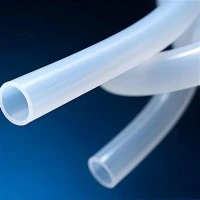

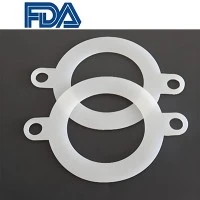
Pressure cooker gaskets (sealing rings) are crucial components that ensure an airtight seal, allowing steam pressure to build up safely inside the cooker. Rubber-particularly silicone rubber in modern cookers-is the preferred material due to its unique physical and chemical properties. Below is a detailed breakdown of why rubber is the best choice for this application.
1. Essential Properties of Rubber for Pressure Cooker Gaskets
① Flexibility & Elasticity – Ensures an Airtight Seal
Rubber is viscoelastic, meaning it can deform under pressure and return to its original shape.
When the pressure cooker lid is locked, the rubber gasket compresses slightly, filling microscopic gaps between the lid and pot.
This elasticity allows the gasket to maintain a consistent seal even as temperature and pressure fluctuate during cooking.
② High-Temperature Resistance – Withstands Steam & Heat
Pressure cookers operate at ~12–15 psi (pounds per square inch), reaching 110–125°C (230–260°F).
Natural rubber (used in older models) can degrade at high temps, but silicone rubber (modern standard) remains stable up to 200–250°C (392–482°F).
Unlike plastics, rubber does not melt or become brittle under repeated heating cycles.
③ Pressure Resistance – Maintains Seal Under Force
The gasket must resist both internal steam pressure and mechanical compression from the lid.
Rubber's tensile strength and compression set resistance prevent permanent deformation, ensuring long-term sealing performance.
④ Chemical & Food Safety – Non-Toxic & Resistant to Degradation
Food-grade silicone rubber is:
Non-toxic (no BPA or phthalates).
Odorless & tasteless (won't affect food flavor).
Resistant to oils, acids, and alkaline foods (e.g., tomatoes, vinegar, broths).
Unlike some plastics, rubber does not leach harmful chemicals when heated.
⑤ Durability & Longevity – Withstands Repeated Use
High-quality silicone gaskets last 3–5 years (or longer with proper care).
Resistant to cracking, hardening, or warping over time.
2. Why Other Materials Are Not Suitable
| Material | Why It's Not Ideal for Pressure Cooker Gaskets |
|---|---|
| Metal | Too rigid; cannot form a tight seal without excessive force. Prone to corrosion. |
| Plastic (PTFE, Nylon) | May melt or deform at high temperatures. Lacks elasticity for a reliable seal. |
| Cork or Fiber | Used in old models but degrades quickly, absorbs moisture, and loses sealing ability. |
| Rubber (Non-Silicone) | Natural rubber hardens over time; synthetic rubber (EPDM, Nitrile) may not be food-safe. |
3. Evolution of Pressure Cooker Gaskets: From Natural Rubber to Silicone
Early pressure cookers (pre-1960s): Used natural rubber, which degraded faster and became brittle.
Mid-20th century: Shift to synthetic rubbers (EPDM, Nitrile) improved heat resistance but still had limitations.
Modern pressure cookers (post-2000s): Silicone rubber dominates due to:
Superior temperature resistance.
Longer lifespan.
Better elasticity and sealing performance.
4. How to Maintain & Extend the Life of a Rubber Gasket
Clean regularly with mild soap (avoid harsh detergents).
Store properly-keep the lid slightly open to prevent compression.
Check for wear-if the gasket becomes stiff, cracked, or loses elasticity, replace it.
Avoid overheating-exceeding recommended pressure levels can degrade rubber faster.
5. Conclusion: Rubber (Especially Silicone) Is the Optimal Choice
Rubber, particularly food-grade silicone, is the best material for pressure cooker gaskets because it:
✔ Forms a flexible, airtight seal under pressure.
✔ Withstands high heat and steam without degrading.
✔ Resists chemical reactions with food.
✔ It is durable and safe for long-term use.
Why Choose Us?
✅ Decades of Experience – Precision engineering since 2002.
✅ Global Reach – Trusted by clients across multiple industries.
✅ Certified Quality – Compliant with ISO, NSF, ACS, KTW, FDA, RoHS, and other standards.
✅ Custom Solutions – Tailored sealing products for your specific needs.